Whakarewarewa: Guided Tour of the Living Māori Village
About This Experience
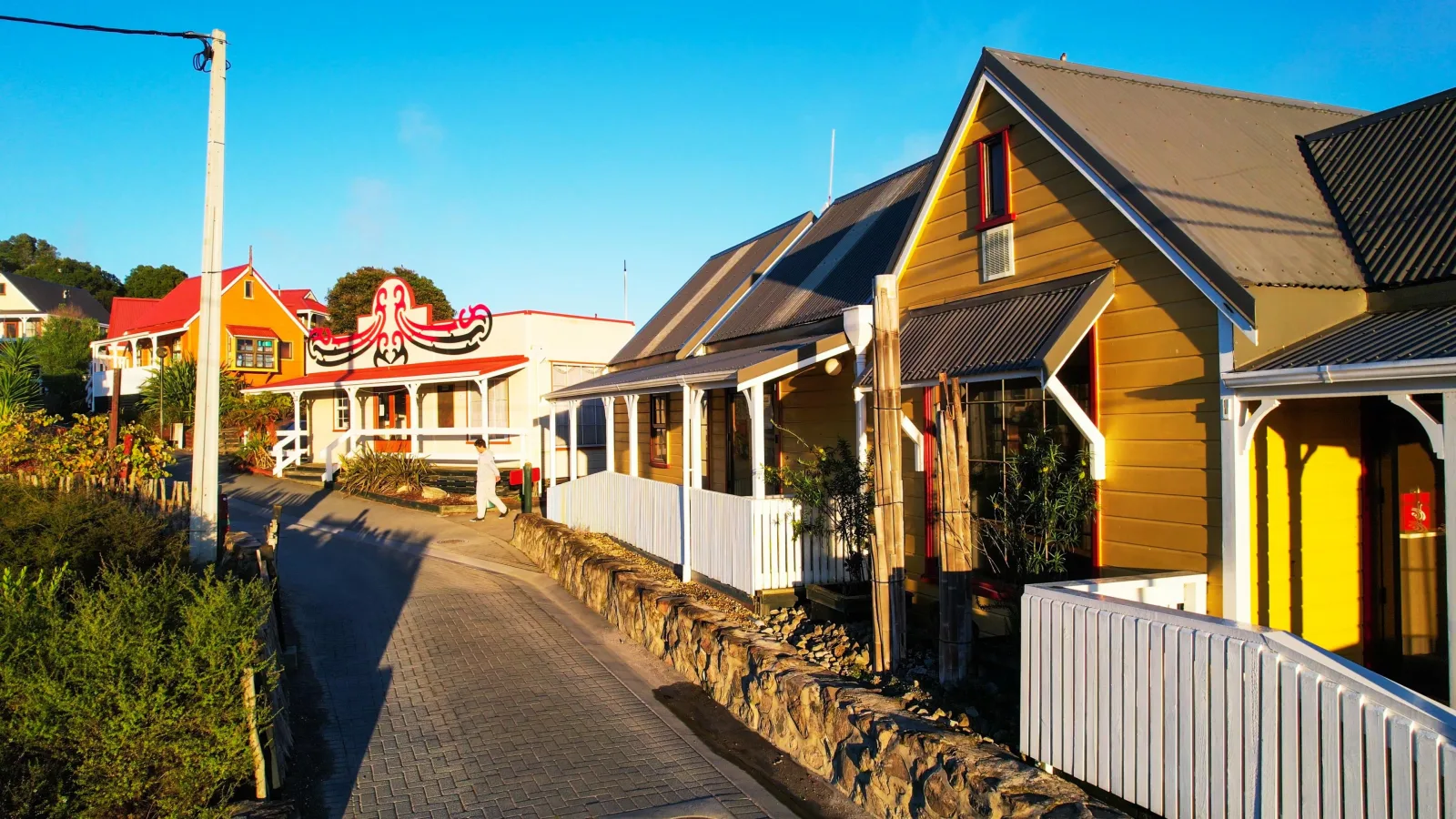
Whakarewarewa is the only place on this list where the word village is literal. Twenty-one families live inside the fence, on a geothermal plateau where the ground steams between the houses, and the guided tour walks you through their streets while they are going about an ordinary day. The guides are not actors hired for the season — they descend from the guiding families who effectively invented New Zealand tourism here in the nineteenth century, and the work has passed down within those whānau ever since.
What you see is domestic rather than theatrical. Cooking is done in the steam vents and boiling pools — food goes into a flax basket and down into the ground, and the corn on the cob you are given at the end came out of a hot pool, not a kitchen. Bathing happens in the therapeutic pools. Heating comes up through the floor. The guide explains what it costs to live like this: which pools have shifted, what happens when a vent moves under a house, why some ground is fenced off.
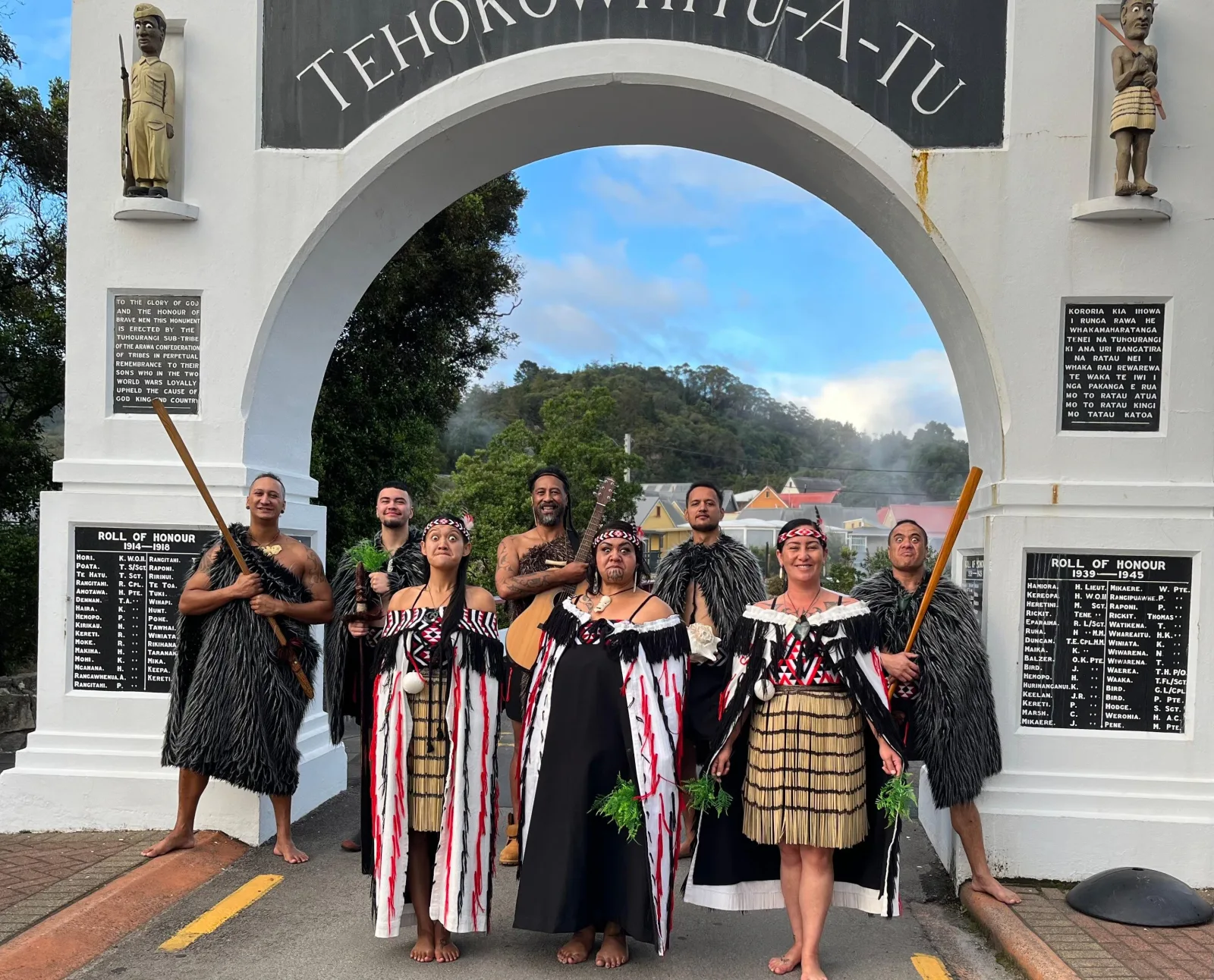
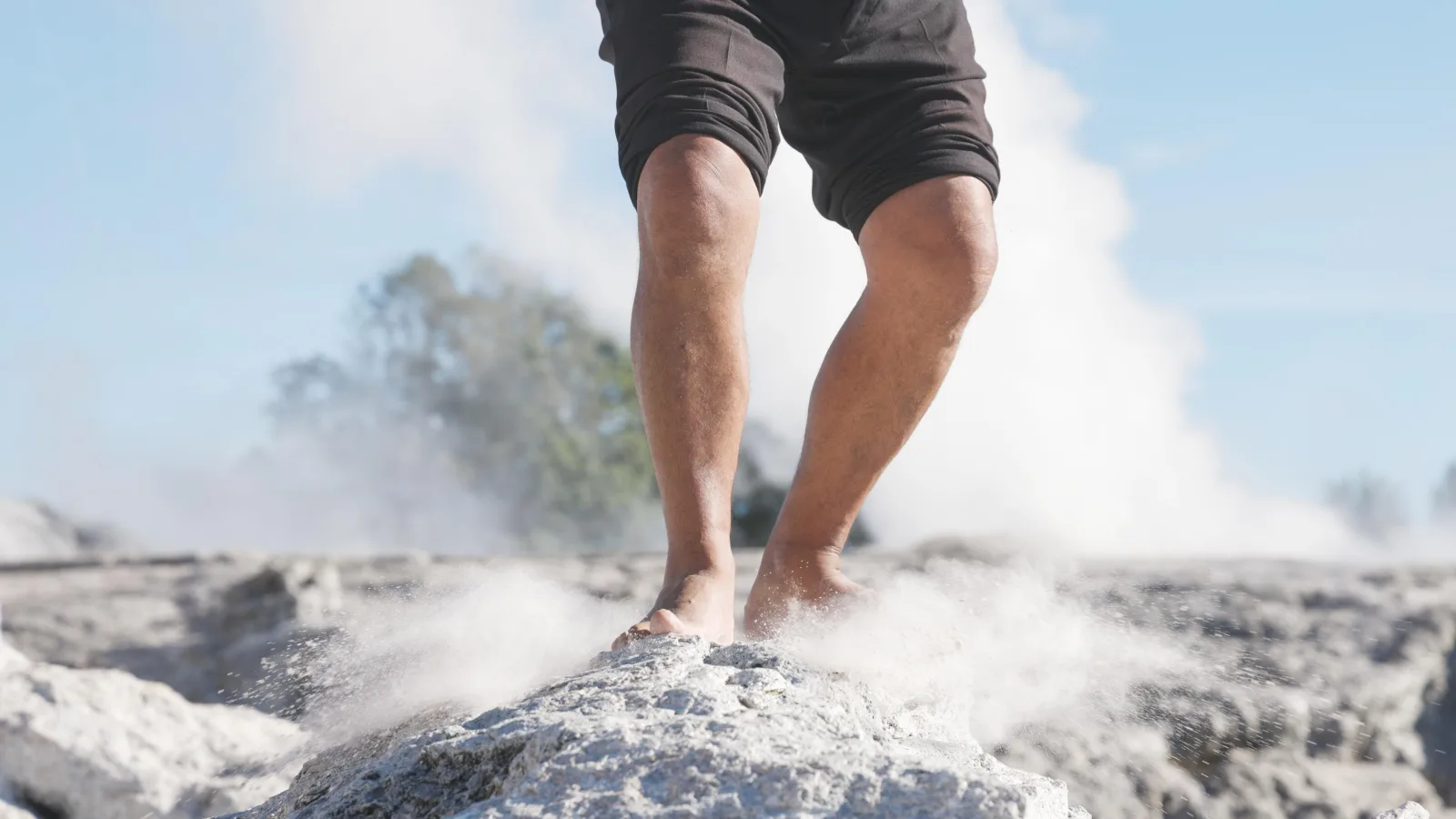
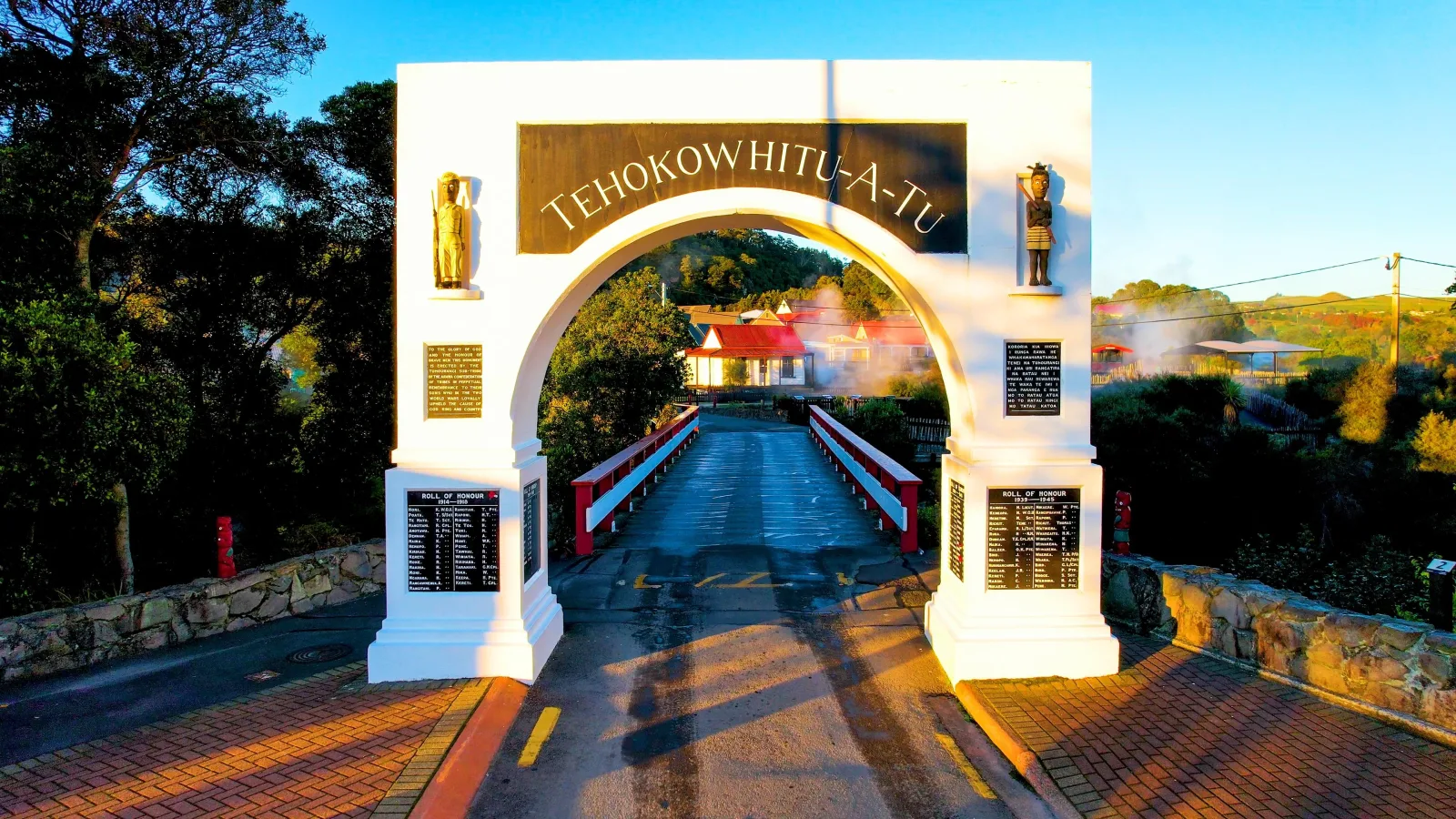
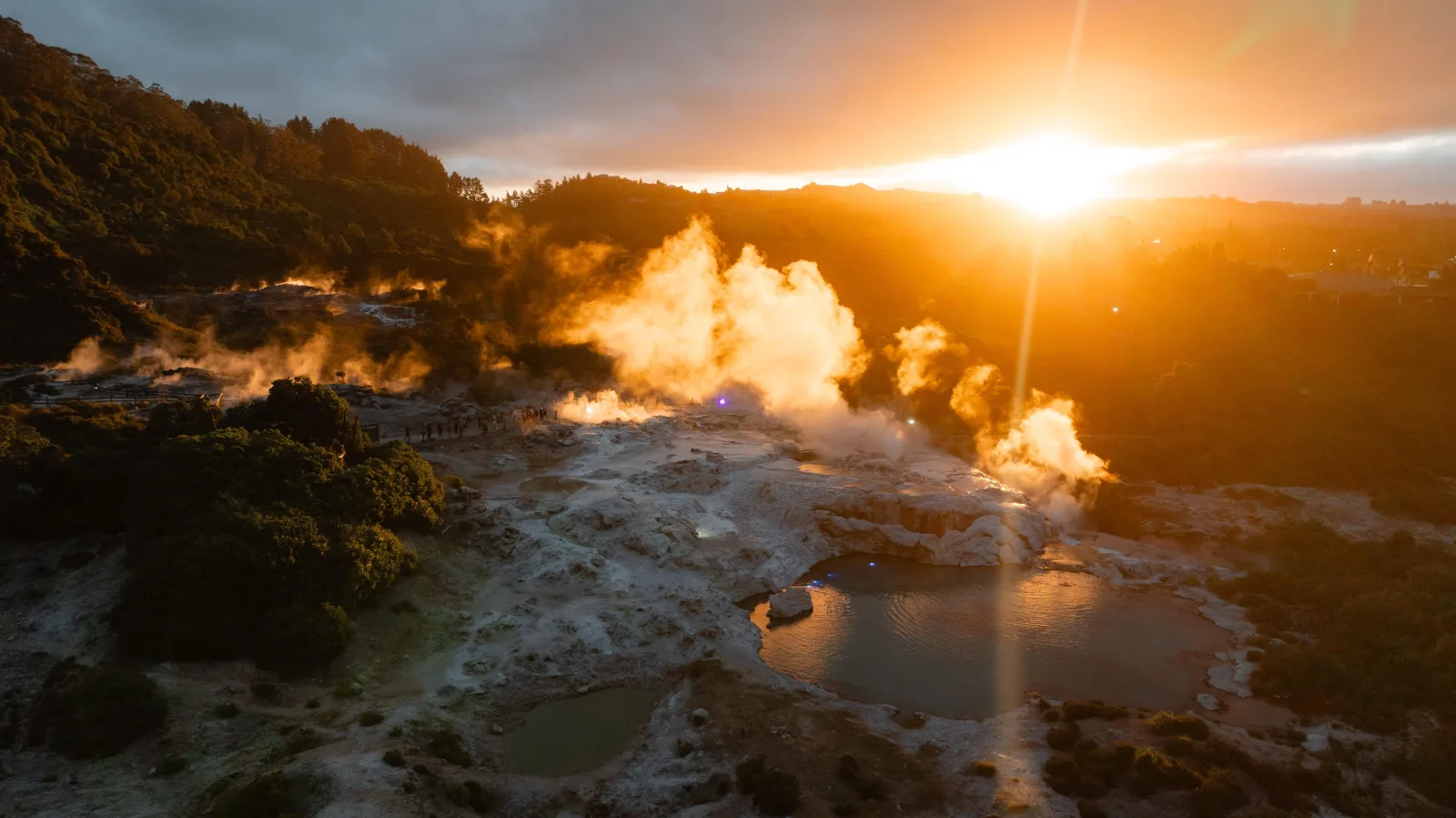
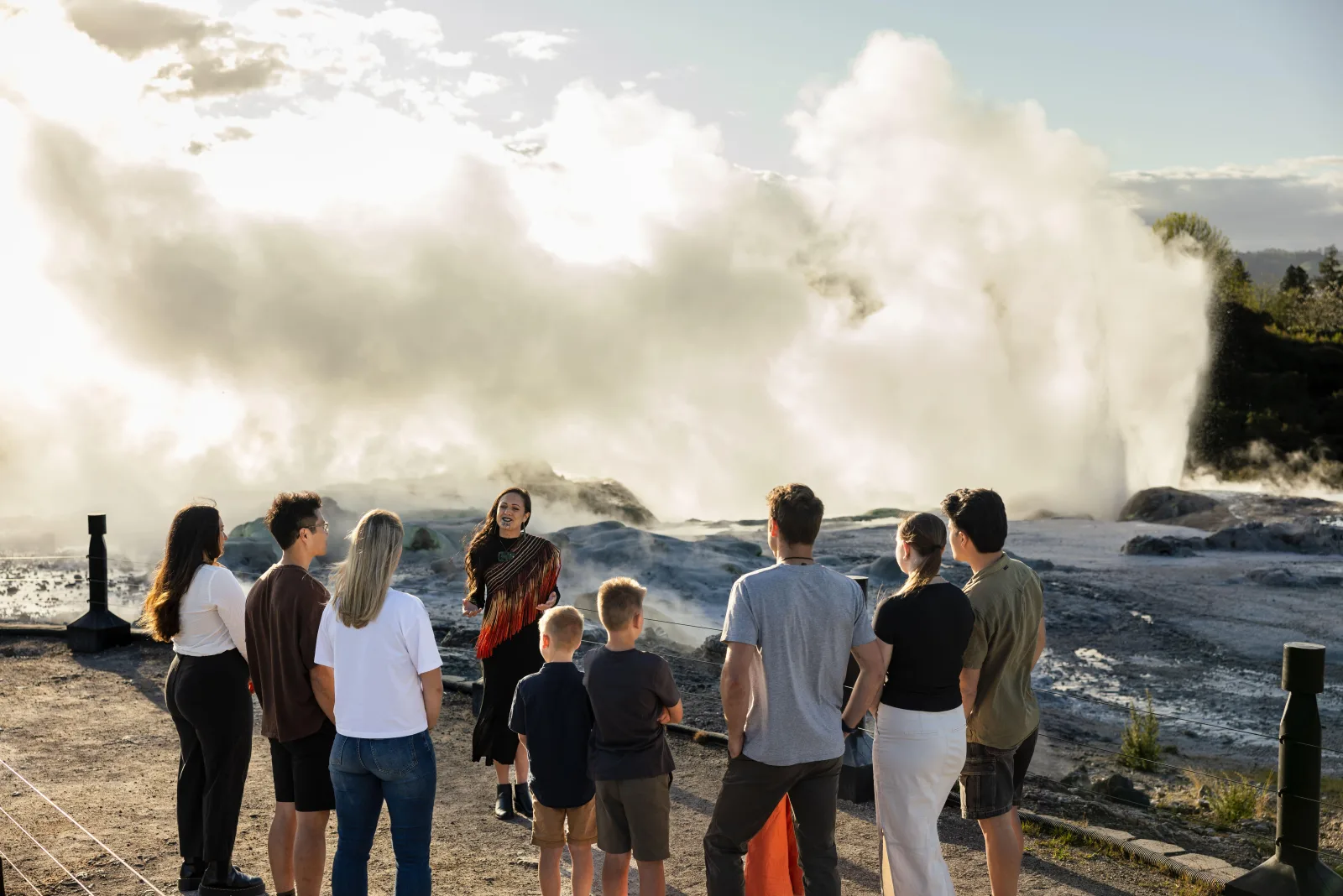
The walk also takes in the geothermal valley the village sits above — silica terraces, mud pools, steam vents, and lookouts over Pōhutu, the largest active geyser in the southern hemisphere, which throws to around 30 m from the neighbouring Te Puia side of the same valley. Along the way you pass an active marae, the WWII memorial archway, two historic churches and tapu burial ground. It runs about an hour, entirely outdoors, in all weather.
Highlights
- The only Rotorua village where families still live on site, guided by their own descendants
- See geothermal cooking, bathing and heating used as everyday domestic infrastructure
- Lookouts over Pōhutu Geyser, the southern hemisphere's largest active geyser
- Silica terraces, boiling mud pools and steam vents throughout the village grounds
- An active marae, historic churches, the WWII memorial archway and tapu burial ground
- Geothermally steamed corn on the cob, cooked in a boiling pool, included
What's Included
- ✓ Village admission
- ✓ Guided walking tour led by a descendant of the village's guiding families
- ✓ Corn on the cob steamed in a geothermal pool
Not Included
- Cultural performance (bookable separately, or as a combined ticket at the gate)
- Meals beyond the corn on the cob
- Hotel pickup and drop-off
What to Bring
- Comfortable closed shoes — the paths are uneven and warm underfoot
- Weather-appropriate clothing; the tour runs outdoors in all conditions
- Camera
Good to Know & Caveats
- Roughly one hour, outdoors throughout, and it operates rain or shine
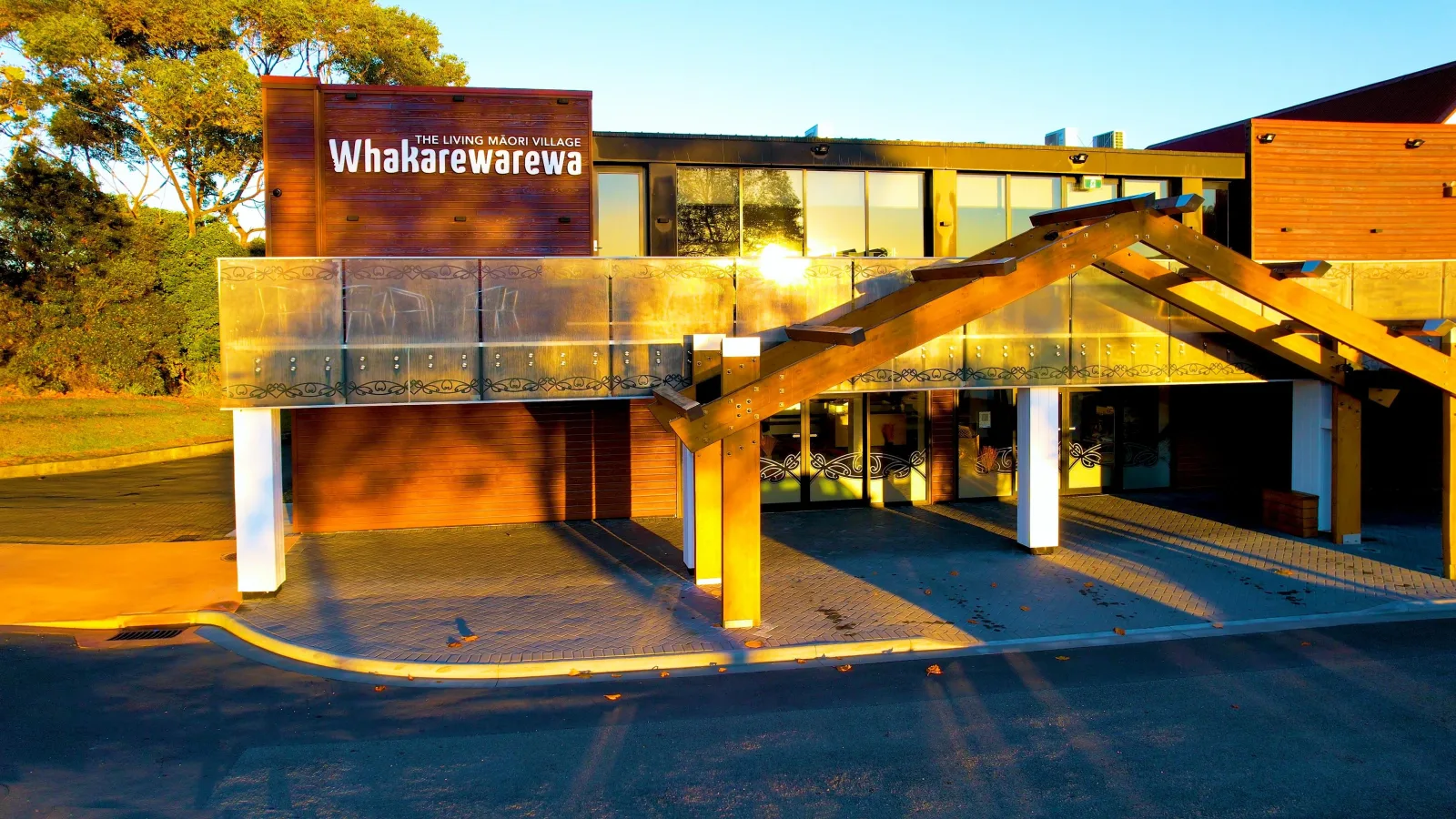
- Exchange your voucher at the admissions building before the tour departs — arrive 15 minutes early
- This is a residential village: stay on the marked paths and ask before photographing people or homes
- Some ground is tapu (sacred) or geothermally unstable and is fenced off — the fencing is not decorative
- The village is a separate operation from Te Puia next door, with its own entrance on Tryon Street
Not Suitable For
- Visitors who cannot walk 1 km on uneven, occasionally steep paths
- Anyone looking for an evening haka-and-dinner show — this is a daytime walking tour
Meeting Point
Whakarewarewa — The Living Māori Village, 17 Tryon Street, Whakarewarewa, Rotorua 3010. Exchange your voucher at the admissions building and arrive 15 minutes before your tour departs.
What Travelers Say
Rated 4.7/5 by 394 verified GetYourGuide travelers.
My daughter and I REALLY appreciated the time and chat with our guide, as well as the stroll around the village. There were no “bells and whistles,” which was perfect. The geothermal grounds are amazing, and we loved the experience.
— Nebi, June 12
Very interesting sightseeing tour. The village is very pretty. They show you how people live in the Maori village, how they cook, and how everything is organized. It's authentic, not a set. Highly recommended.
— Álvaro, May 29,
Amazing guide great tour enjoyed the sweetcorn. Great to learn on culture.
— Emma, April 1
Frequently Asked Questions
Do people really still live in Whakarewarewa village?
Yes — the village puts the figure at twenty-one families, of Tūhourangi Ngāti Wāhiao, using the geothermal field for cooking, bathing and heating as their families have for generations. That is what separates Whakarewarewa from Rotorua's other Māori cultural attractions, which are cultural centres or purpose-built evening venues rather than places of residence.
How long is the Whakarewarewa guided tour?
About an hour on foot, entirely outdoors. Most visitors stay longer afterwards to walk the geyser lookouts, eat at the village café or watch a cultural performance, which is ticketed separately.
Is the cultural performance included in this ticket?
No. This ticket covers admission and the guided village walk. The 30-minute performance of haka, poi and stick games is a separate booking, so you can take the tour alone, the performance alone, or both.
Can you see Pōhutu Geyser from Whakarewarewa village?
Yes — the village has lookouts over the geyser flat, and Pōhutu erupts up to 20 times a day, according to Te Puia. The geyser itself sits on the Te Puia side of the same geothermal valley, so the view is across the fence rather than from beside the vent.
Is it disrespectful to visit a village where people live?
Not when you visit the way the village asks. The tour exists because the community chose to run it, the guides are from the families who live there, and the fee supports the village. Stay on the paths, keep clear of fenced tapu ground, and ask before photographing residents or their homes.
Other Rotorua Māori Village Experiences
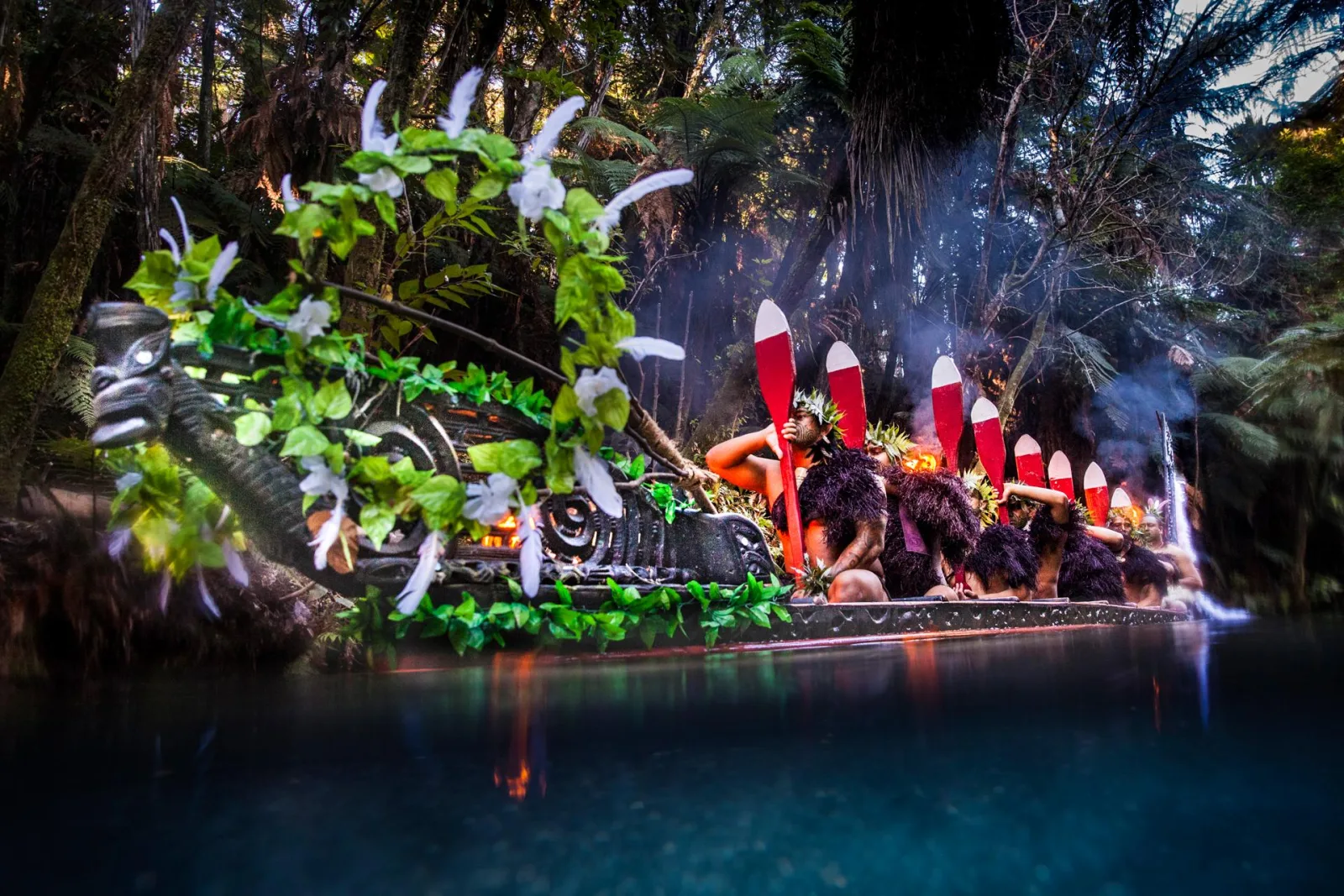
Mitai Māori Village: Cultural Experience & Hāngī Dinner Buffet

Te Pā Tū: Māori Cultural Experience with Four-Course Dinner
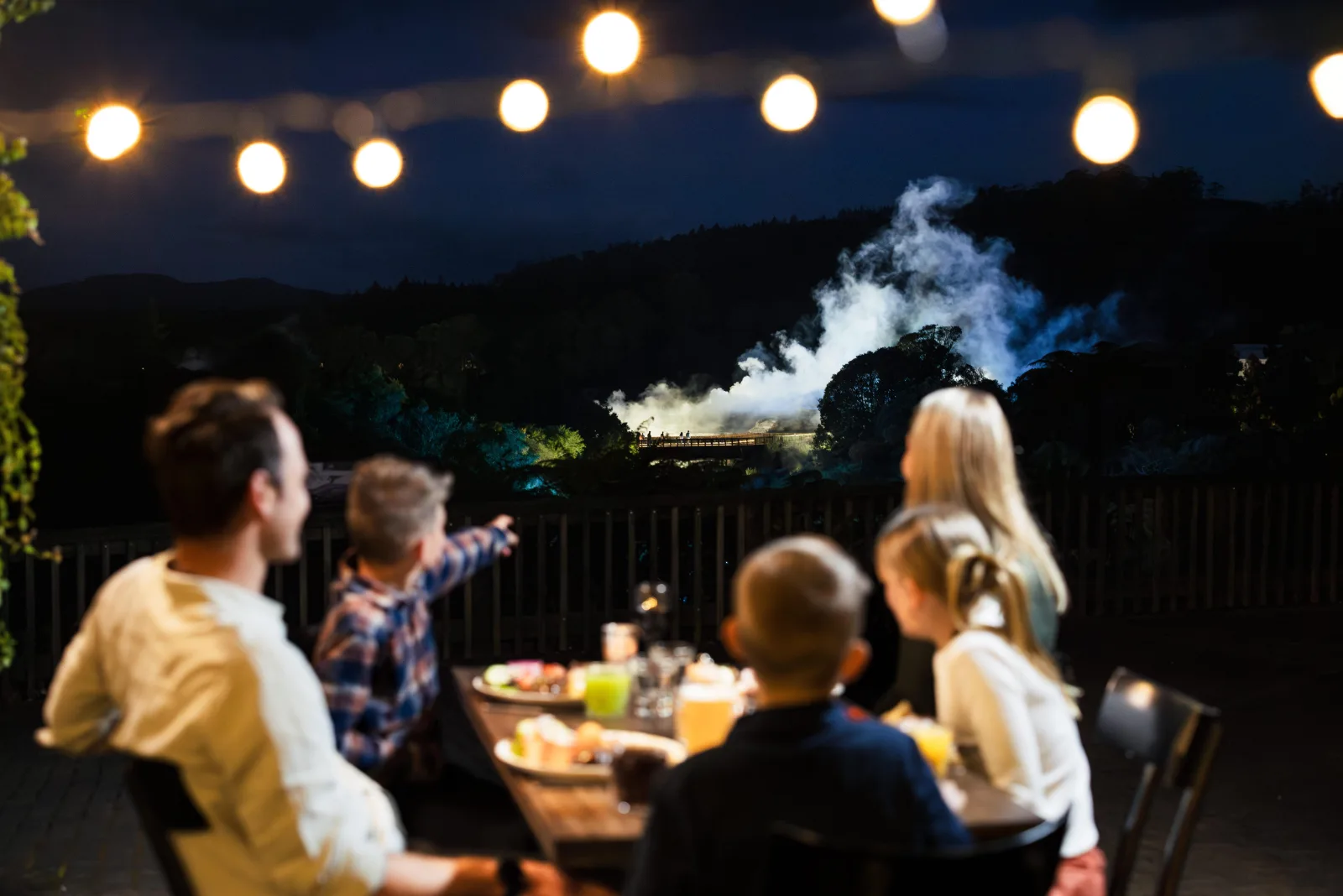
Te Puia Te Pō: Indigenous Evening Experience with Haka & Hāngī
Te Puia Te Pō: Indigenous Combo — Day Tour, Hāngī Dinner & Haka
Te Puia Te Rā: Guided Day Tour with Haka Cultural Performance
Te Puia Te Rā: Guided Day Tour of the Geothermal Valley
The Buried Village of Te Wairoa: Museum & Excavated Village Trail