"My daughter and I REALLY appreciated the time and chat with our guide, as well as the stroll around the village. There were no “bells and whistles,” which was perfect. The geothermal grounds are amazing, and we loved the experience."
WHAKAREWAREWA · ROTORUA, NEW ZEALAND
Rotorua's Māori Villages — Only One Is Still Lived In
Four places in Rotorua call themselves a Māori village, and only one is still lived in. Compare all nine bookable experiences — prices, ratings and what each one actually is — before you pick.
From
$29
per person
Free cancellation
- 4.7 / 5 394+ Reviews
- 1 hour Duration
- Living Village Not a Show Set
- 9 Experiences Compared & Priced
- Free Cancellation
The Experience
Why Whakarewarewa Is Different
The one Rotorua village where the geothermal field is domestic infrastructure, not a stage set.
Highlights
- The only Rotorua village where families still live on site, guided by their own descendants
- See geothermal cooking, bathing and heating used as everyday domestic infrastructure
- Lookouts over Pōhutu Geyser, the southern hemisphere's largest active geyser
- Silica terraces, boiling mud pools and steam vents throughout the village grounds
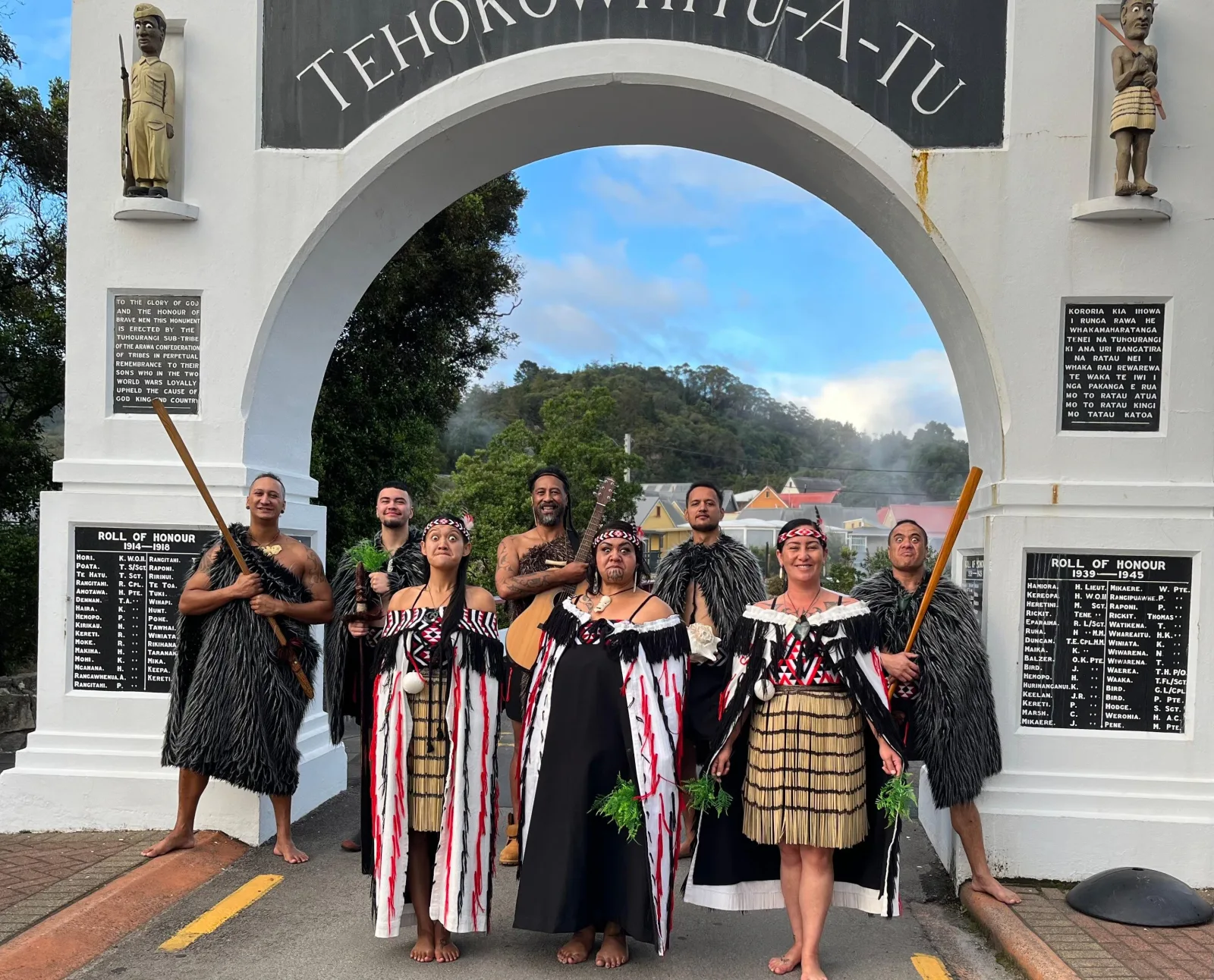
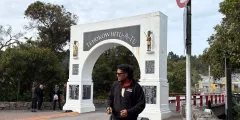
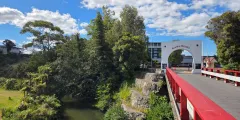
- An active marae, historic churches, the WWII memorial archway and tapu burial ground
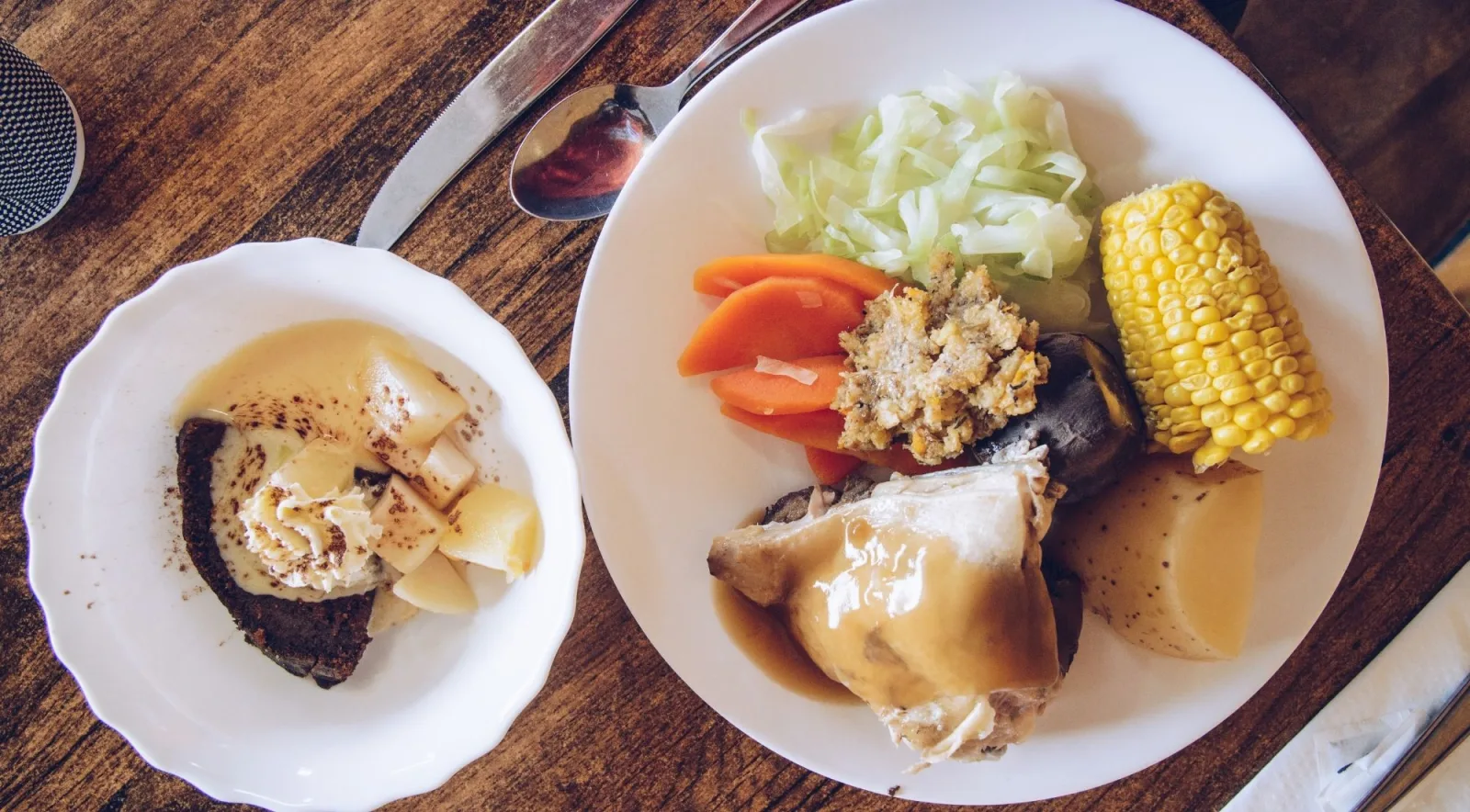
- Geothermally steamed corn on the cob, cooked in a boiling pool, included
What's Included
- Village admission
- Guided walking tour led by a descendant of the village's guiding families
- Corn on the cob steamed in a geothermal pool
Book Your Experience
Check Availability & Prices
Select your preferred date and time. Instant confirmation — free cancellation up to 24 hours before departure.
How to Book a Rotorua Māori Village
Four steps from 'which one?' to a confirmed voucher.
Work Out Which Village You Mean
Whakarewarewa is a village people live in. Te Puia is the national carving school on the same geothermal field. Mitai and Te Pā Tū are evening venues built for performance and a meal. Decide which of those you actually want.
Check Live Dates and Prices
Every price, rating and availability calendar on this site comes straight from GetYourGuide, so what you see is what the operator is charging today — not a figure typed in once and left to rot.
Book With Free Cancellation
All nine experiences confirm instantly and can be cancelled up to 24 hours ahead for a full refund. Rotorua's evening sittings sell out first in January and February.
Arrive Fifteen Minutes Early
Every operator here asks you to exchange your voucher at admissions before the tour departs. Fifteen minutes covers it, and the evening venues need that margin to seat you before the pōwhiri starts.
Can't Make These Dates?
Browse More Available Options
Find a tour that fits your schedule — all with instant confirmation and free cancellation.
How It Actually Works
What an Hour Inside the Living Village Looks Like
Here is the part visitors get wrong: the Whakarewarewa tour is not a walk around a reconstructed pā. It is a one-hour guided walk down the streets of a settlement where twenty-one families live, while they are living in it — and the geothermal field is not scenery, it is the plumbing. This is the hour, start to finish.
- Exchange your voucher at admissions — The entrance is on Tryon Street, a separate gate from Te Puia next door — a mix-up that costs people an afternoon. Tours leave to a fixed schedule, so arrive 15 minutes ahead.
- Meet a guide from the village — Your guide is Tūhourangi Ngāti Wāhiao and descends from the guiding families who have done this work here since the 1800s. This is the difference between a tour and a show: the person walking you through lives here.
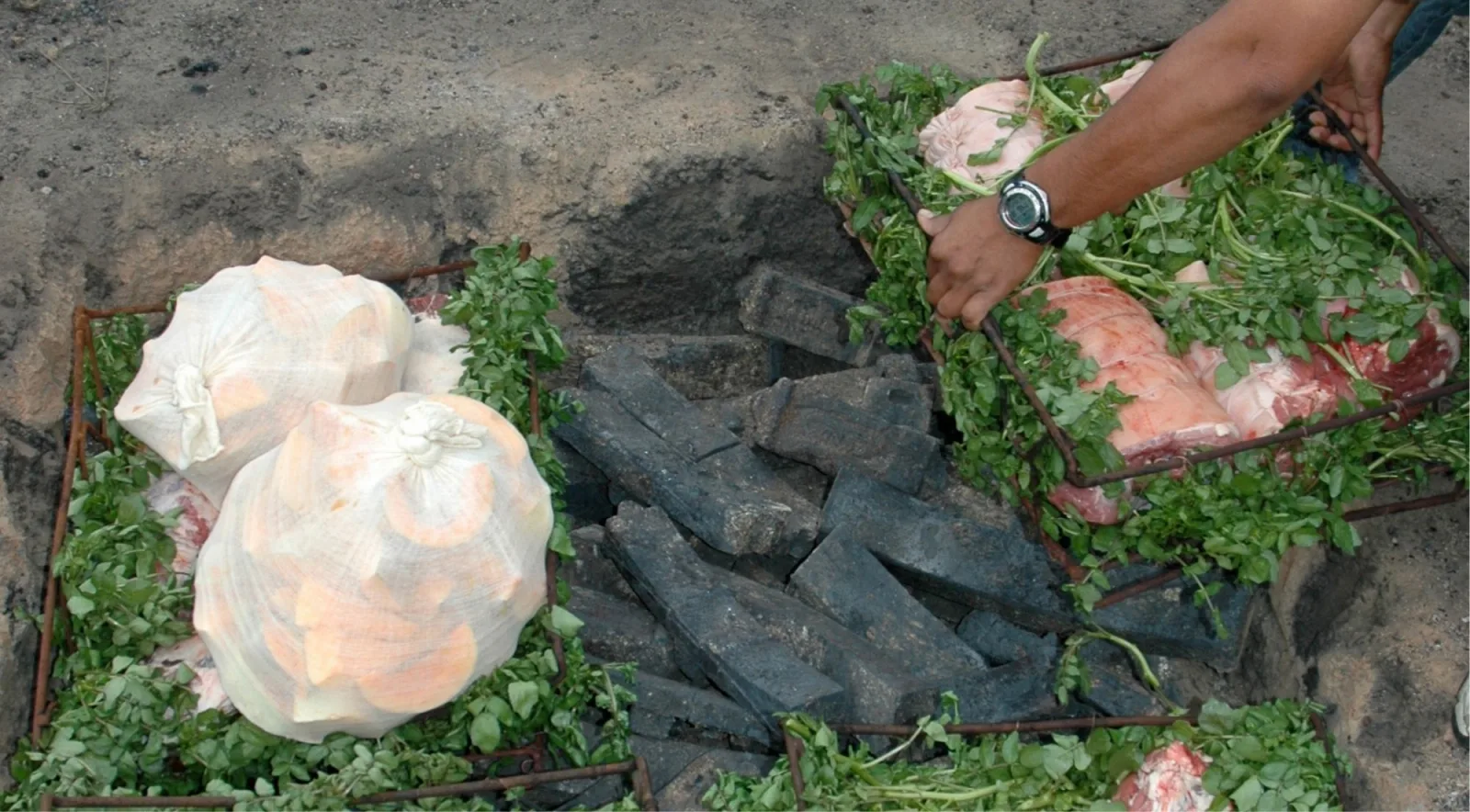
- The cooking pools, in use — Food goes into flax baskets and down into boiling pools and steam vents — not a demonstration set up for the tour, but how dinner is made. Your guide explains what happens when a vent shifts under a house.
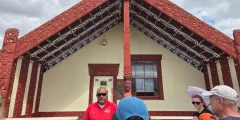
- The marae, the churches and the tapu ground — Past an active marae, two historic churches, the WWII memorial archway and fenced burial ground. Some fencing marks tapu (sacred) ground and some marks unstable crust; either way it is not decorative.
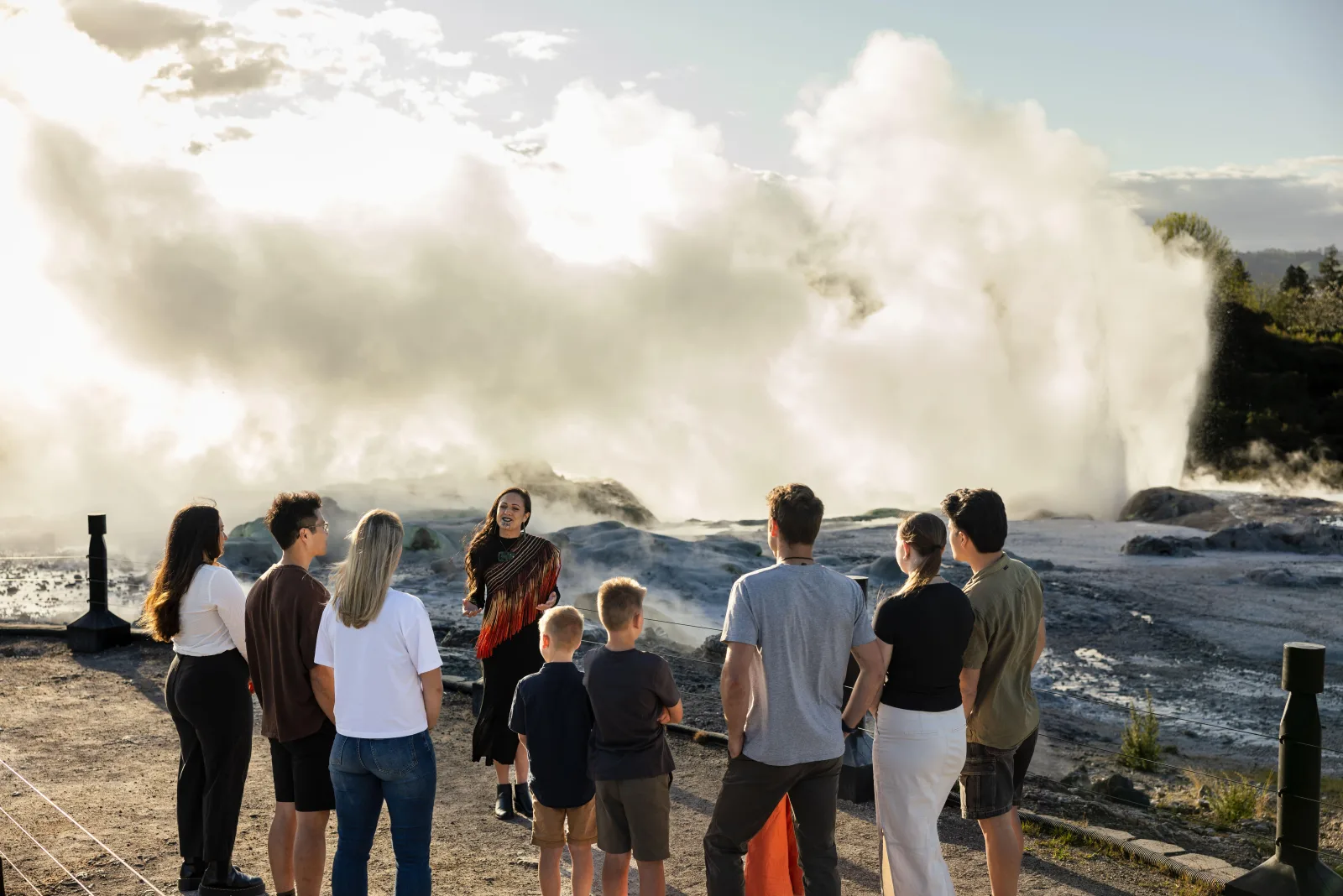
- Lookouts over the geyser flat — Silica terraces, mud pools, and views across to Pōhutu — the largest active geyser in the southern hemisphere, erupting up to 20 times a day, to as much as 30 m, from the Te Puia side of the fence.
- Corn from a hot pool — The tour finishes with a cob of corn steamed in a boiling pool. It is included in the ticket and it is the whole point of the place in one bite.
- Decide whether to stay on — The 30-minute cultural performance is a separate $21 ticket, bookable at the gate or in advance. Many visitors pair it with the tour; plenty do the walk alone and spend the saved money at Te Puia instead.
Photo Gallery
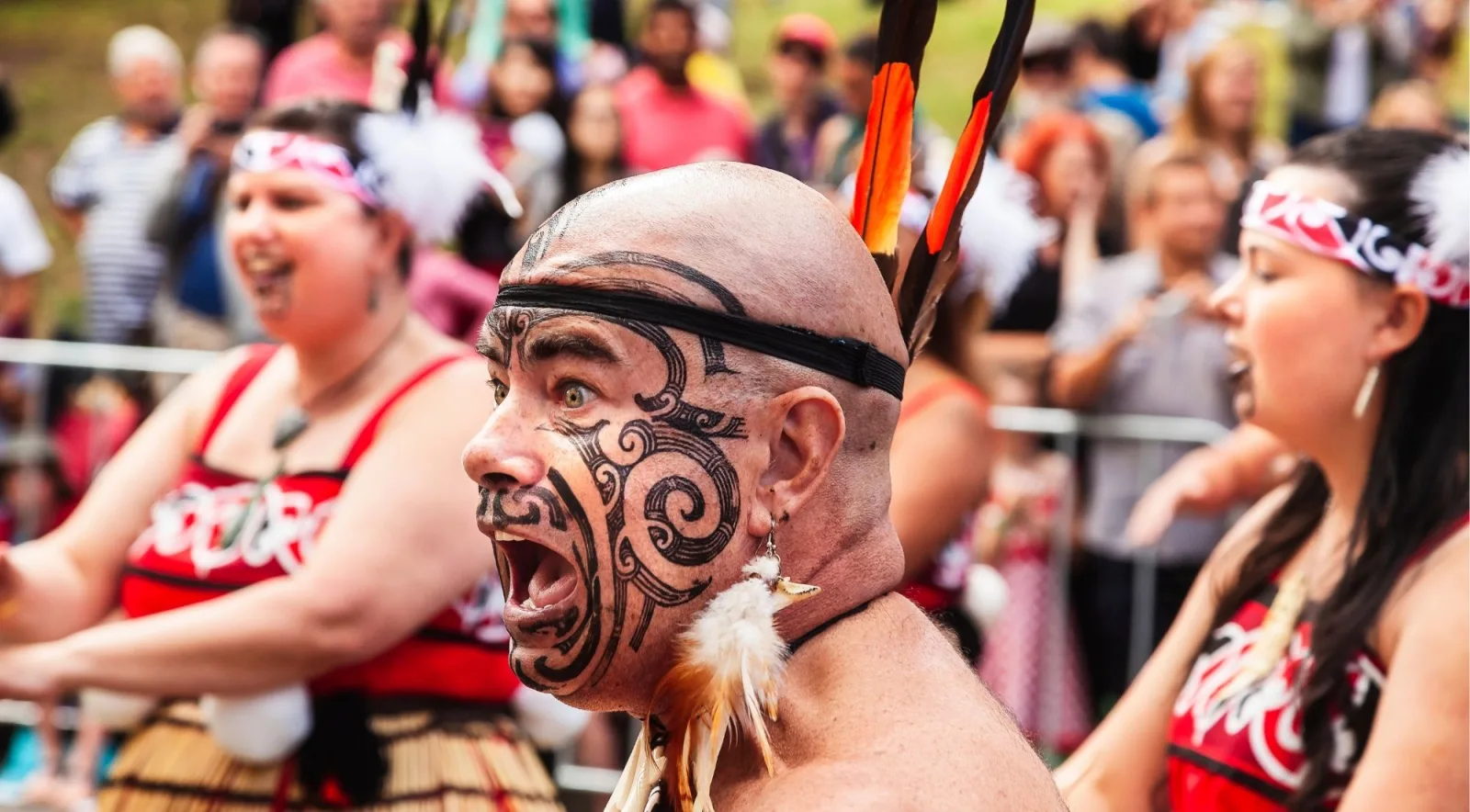
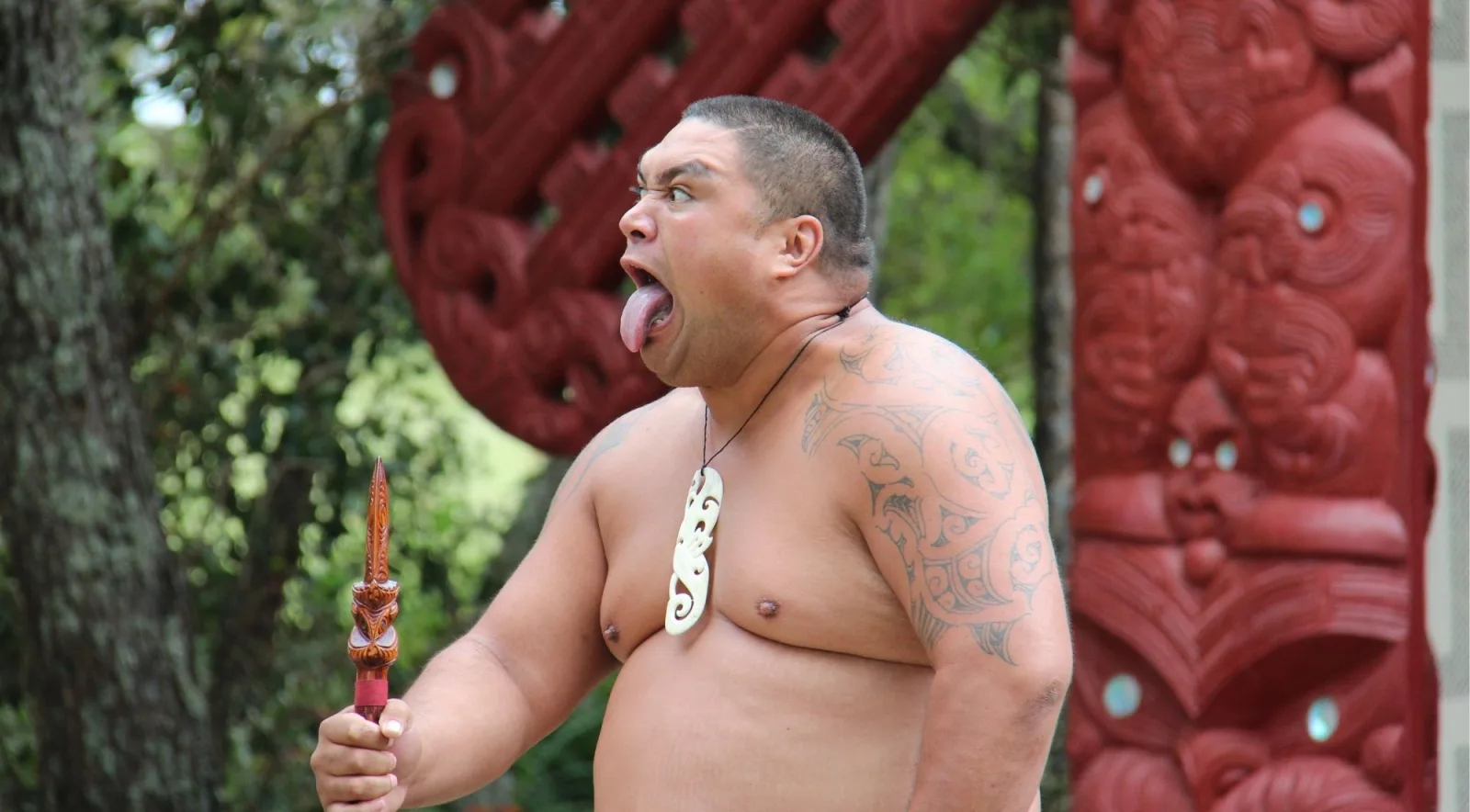
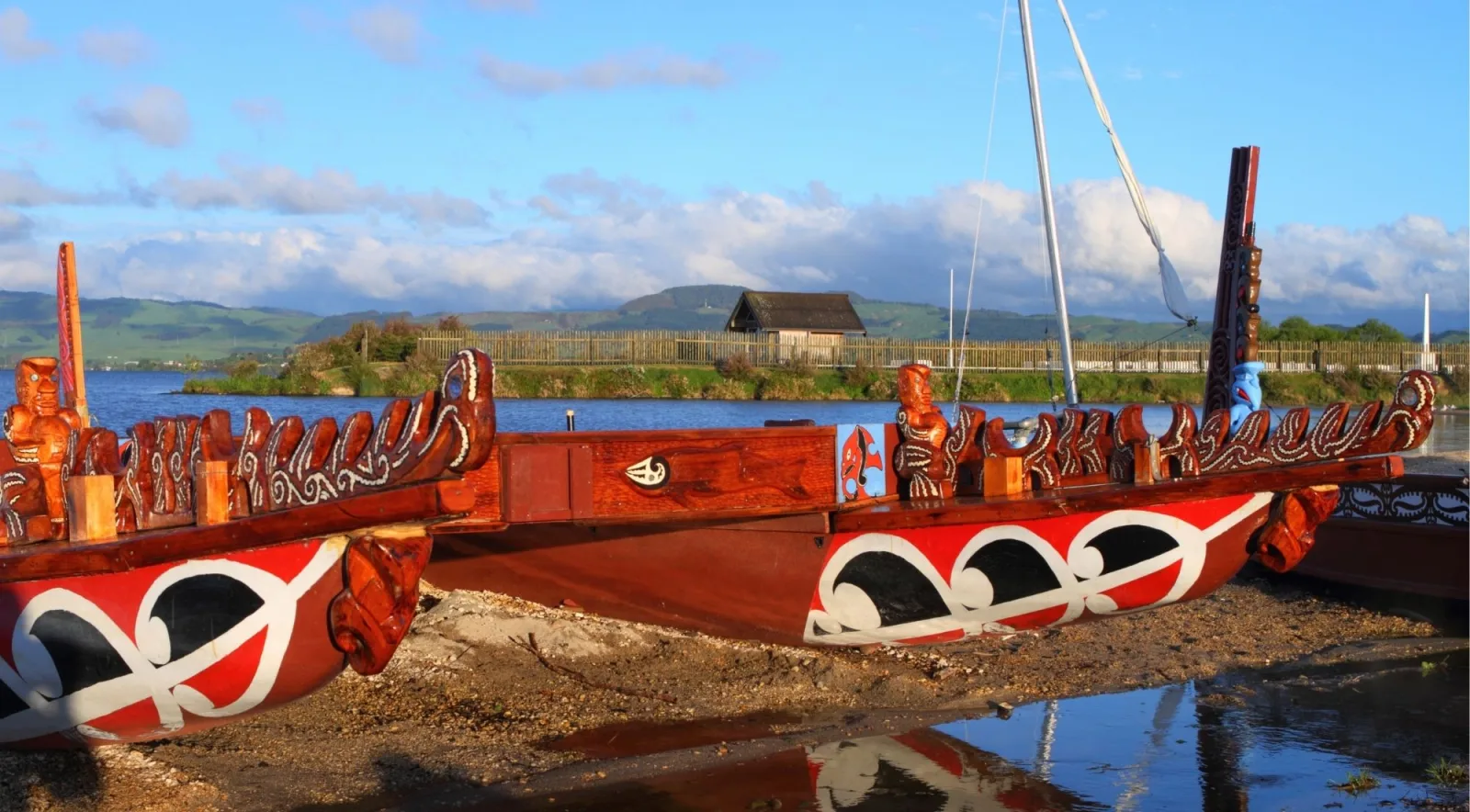
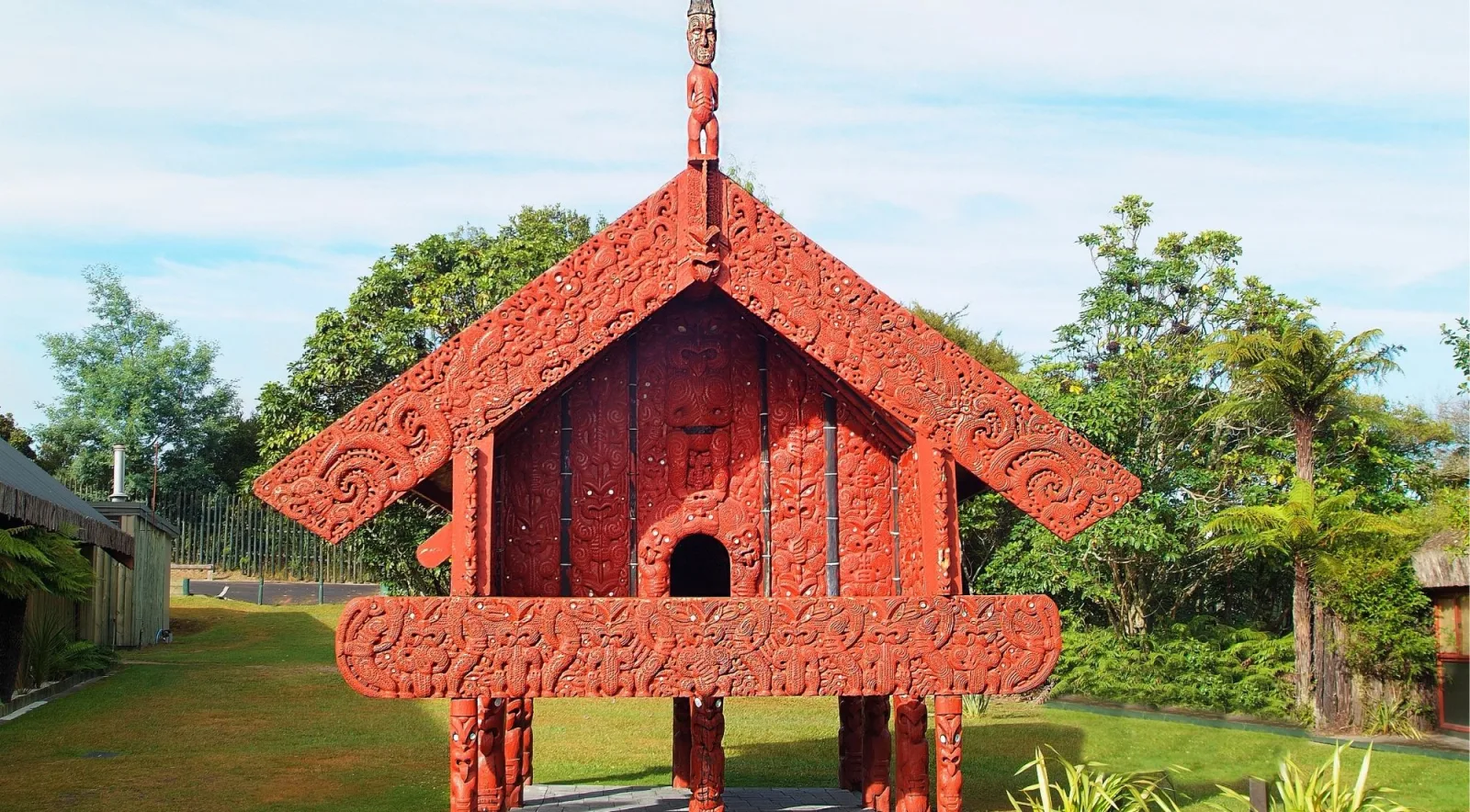
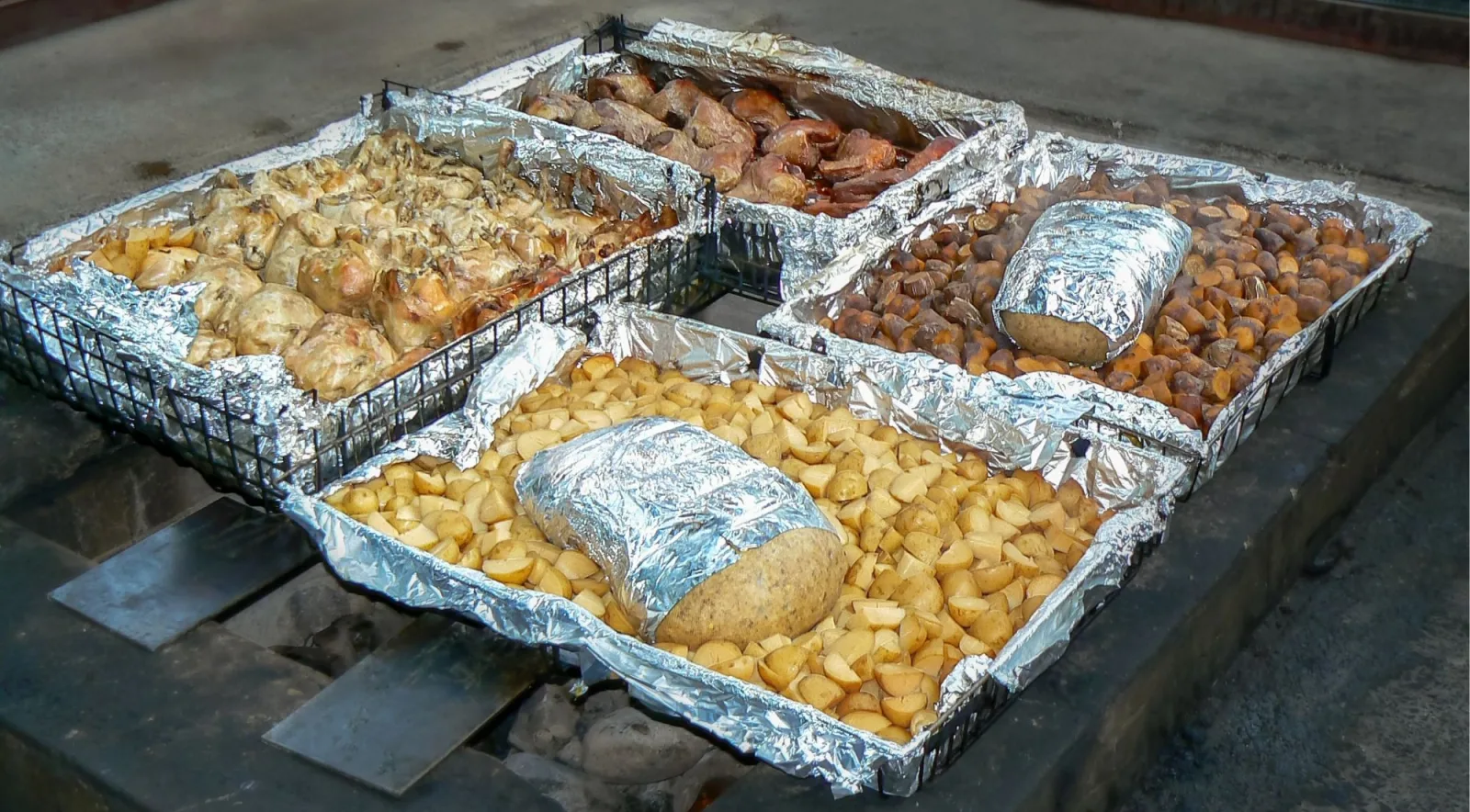
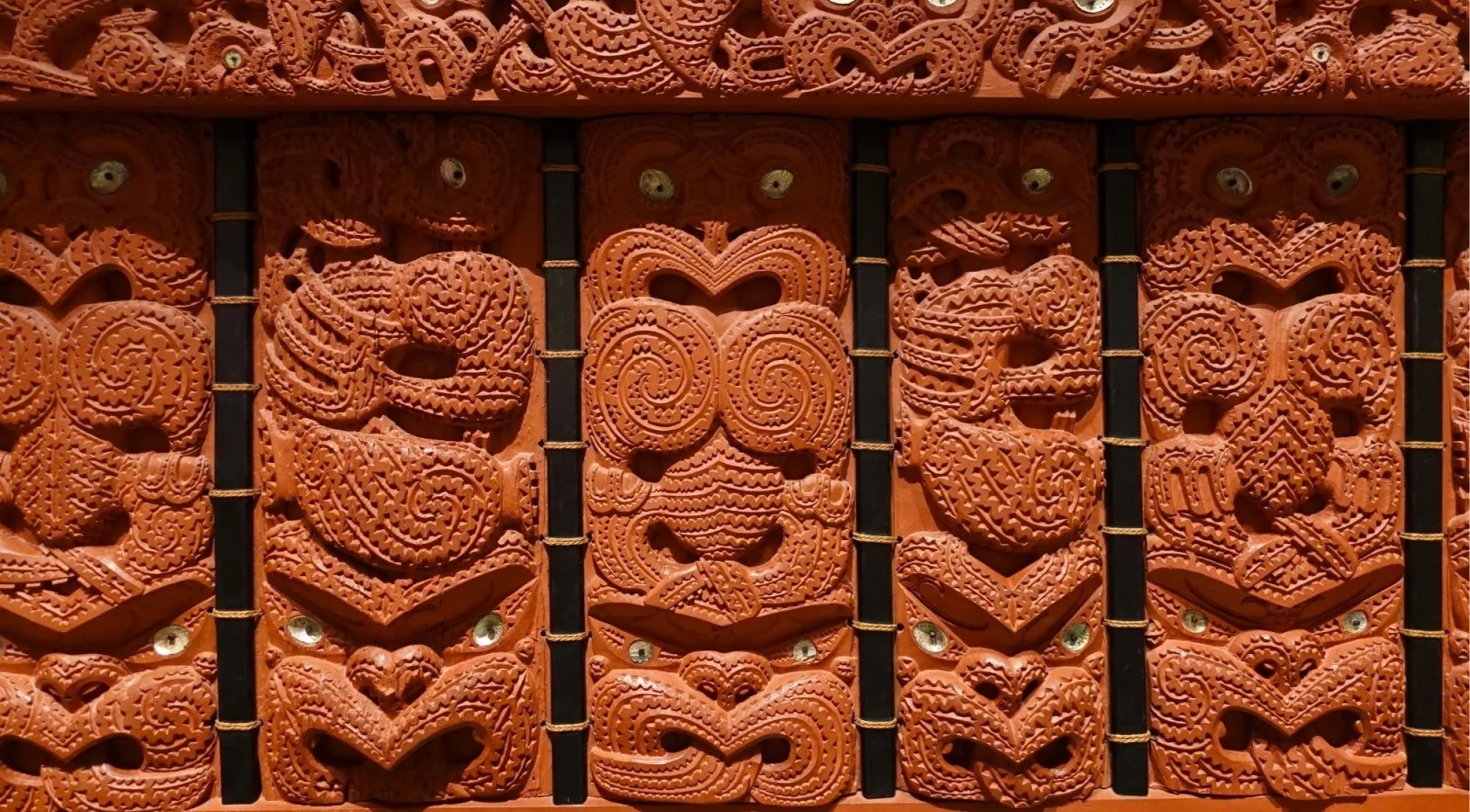
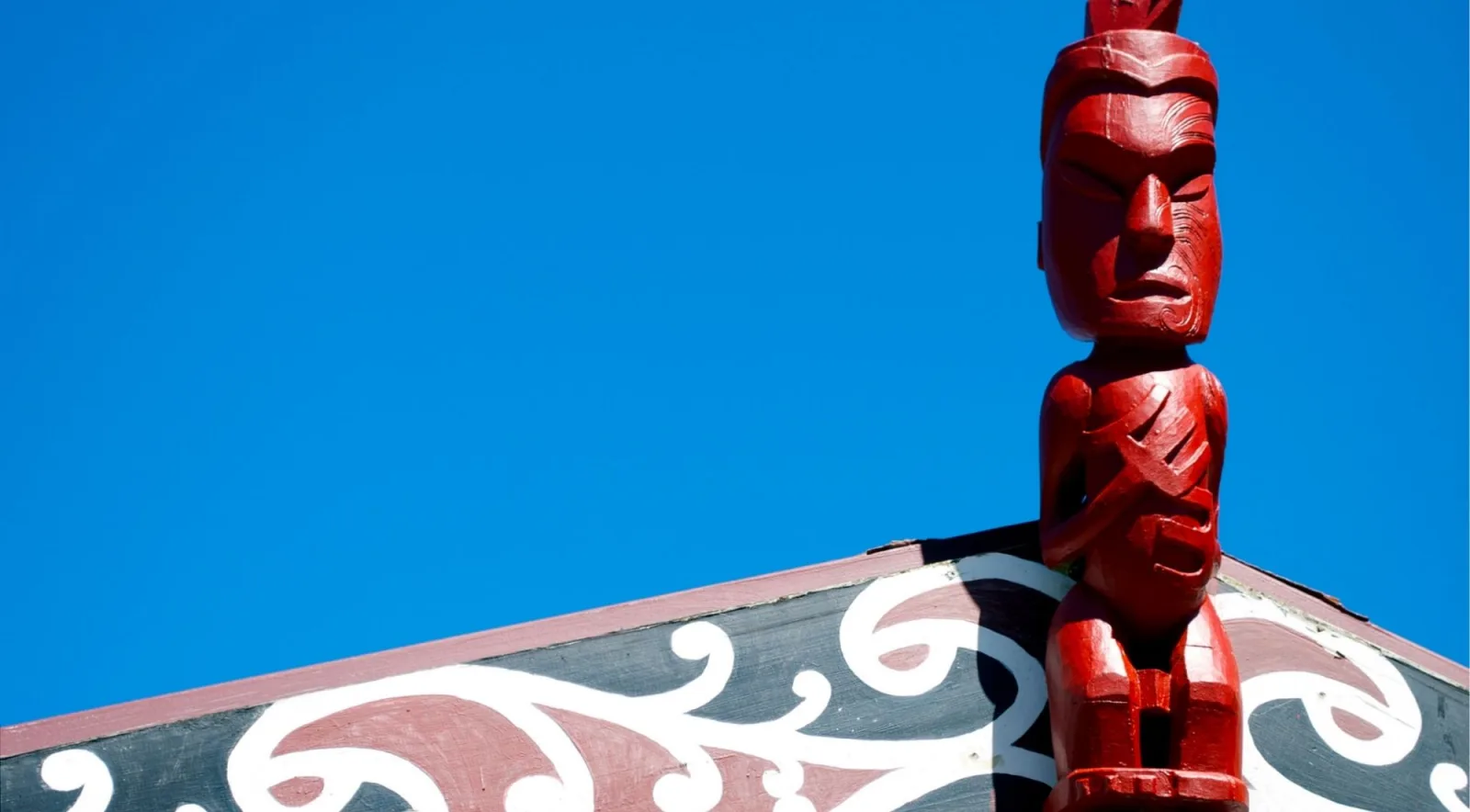
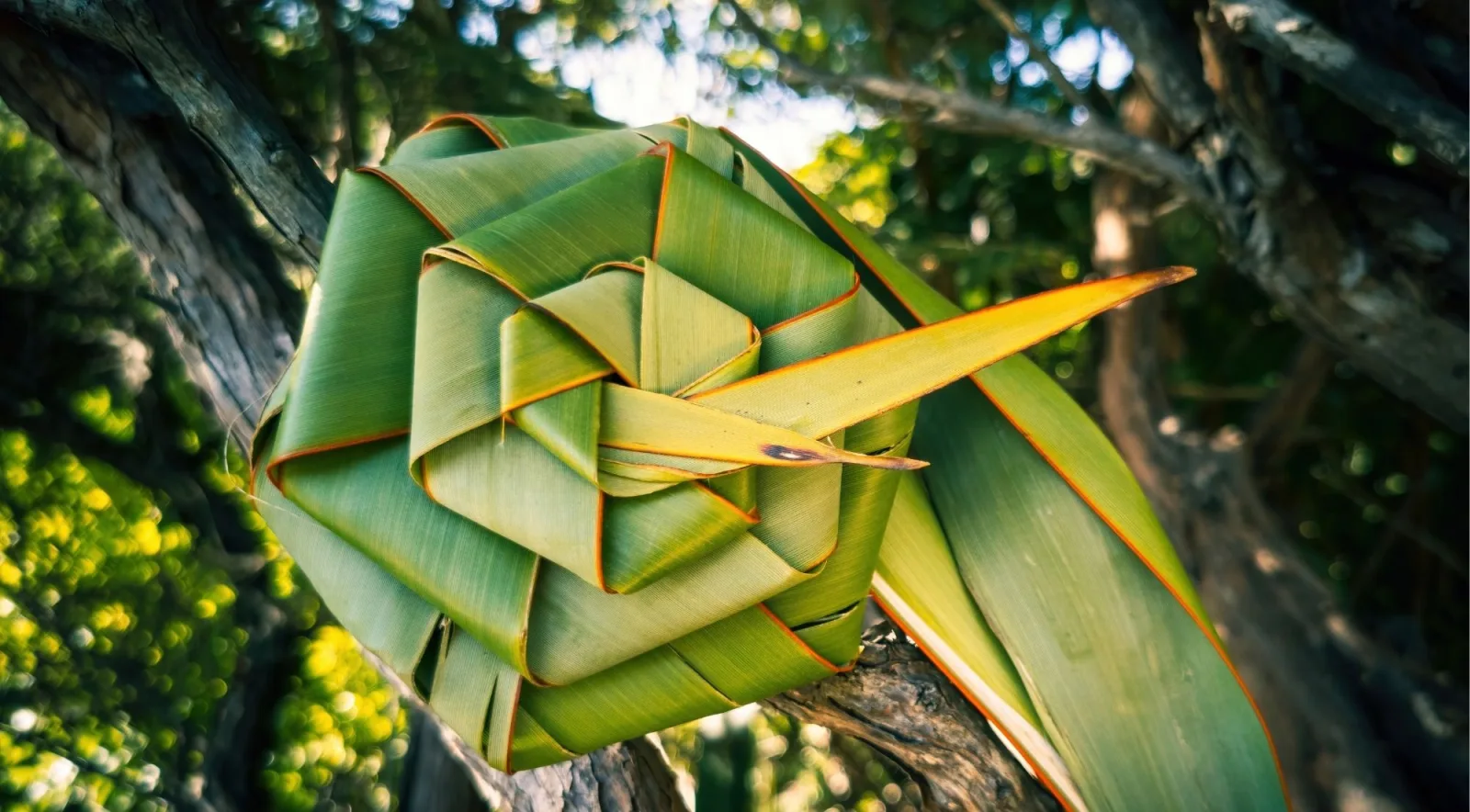
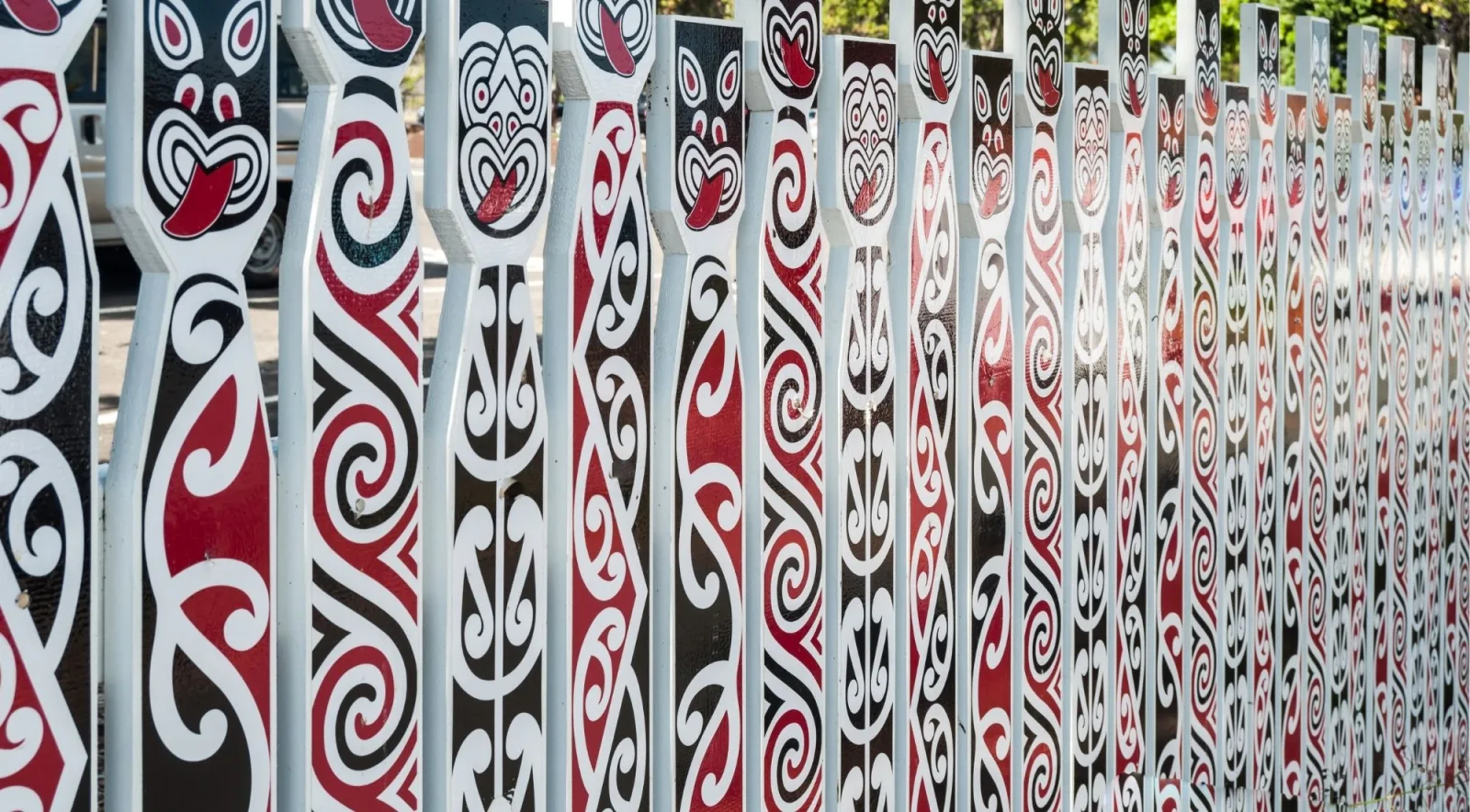
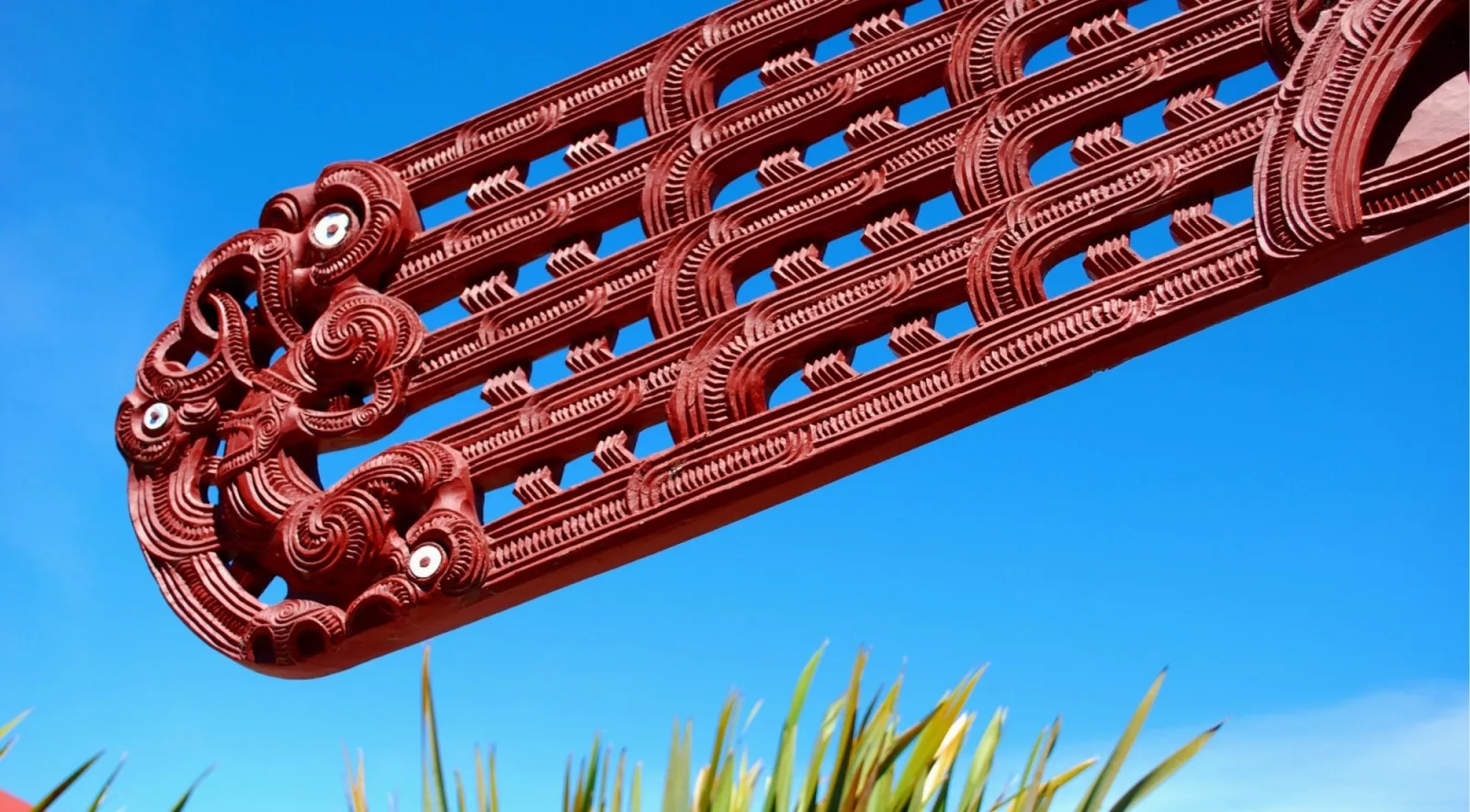
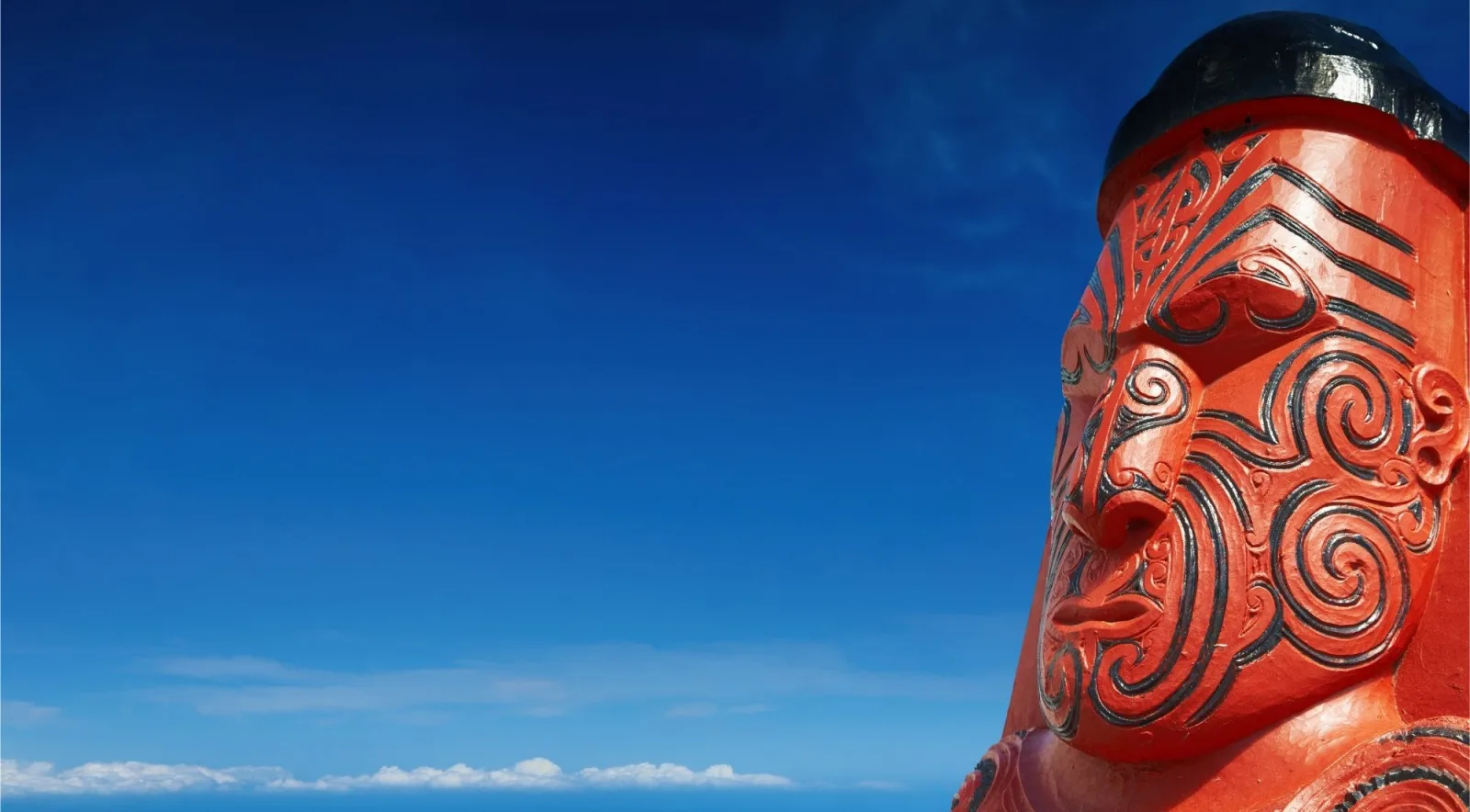
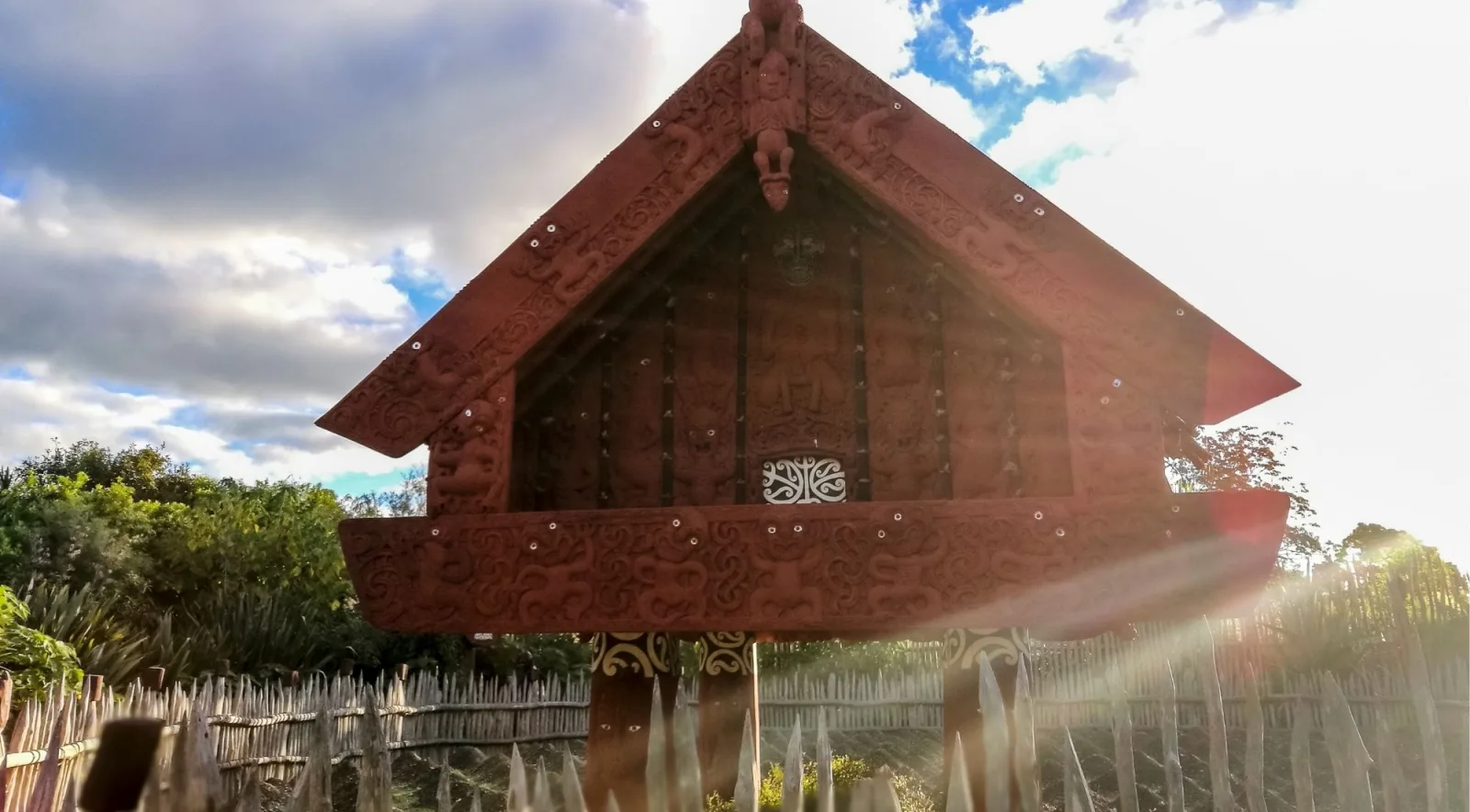
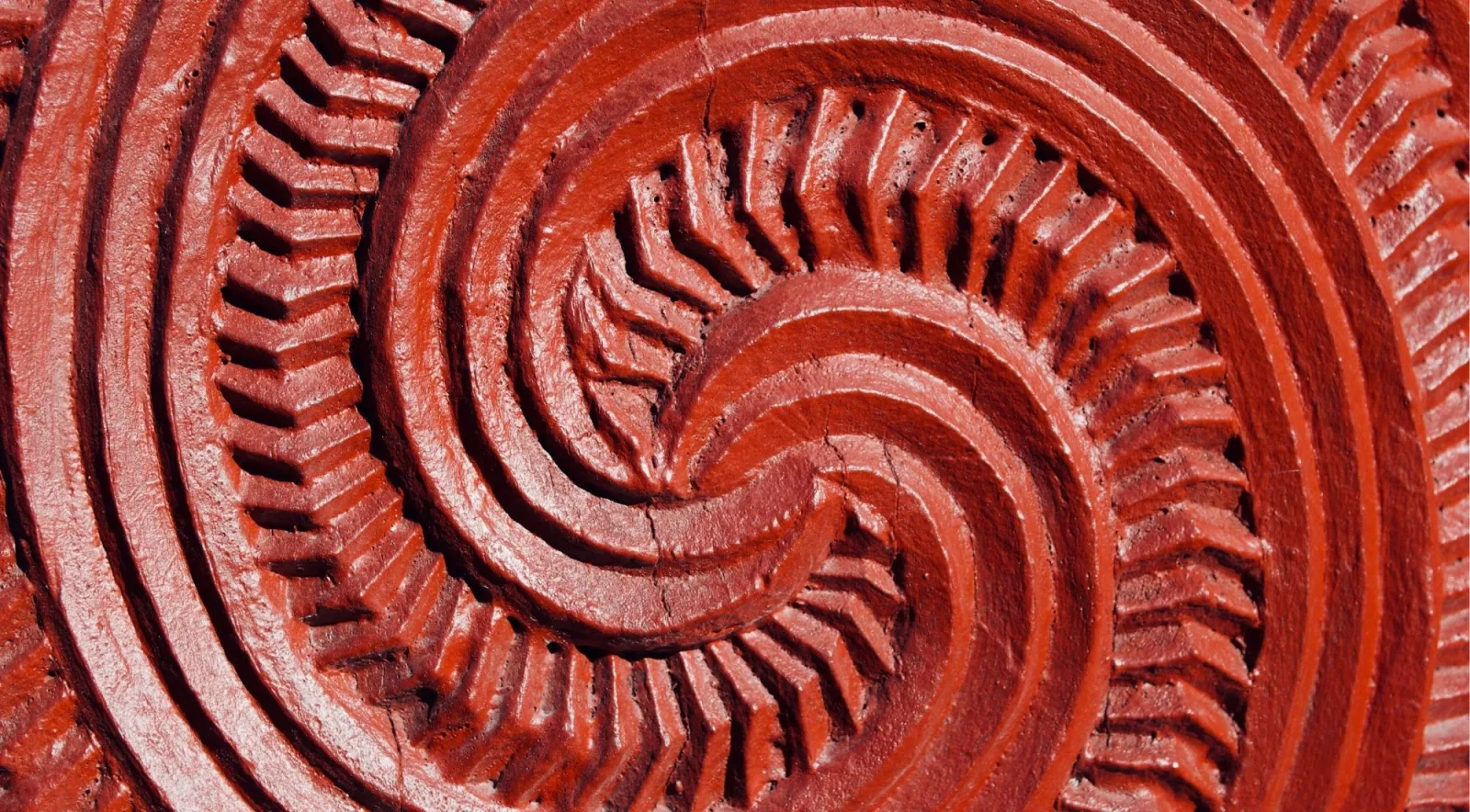
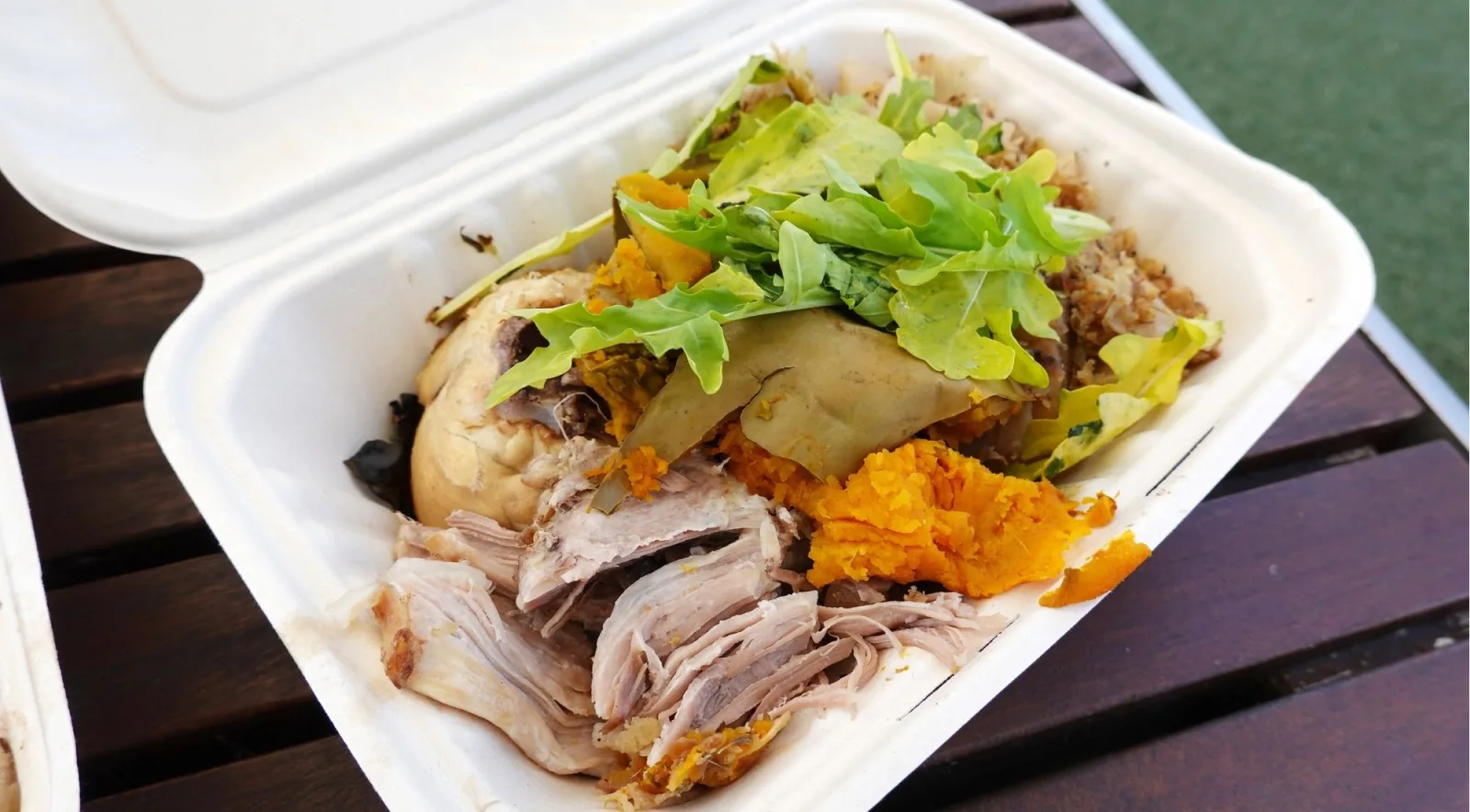
Rotorua, Steam and All
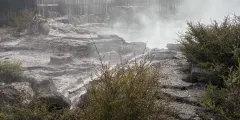
The geothermal plateau the villages sit on, and the bush country around them.
The Four Rotorua Māori Villages, Side by Side
Same city, four completely different propositions. This is the comparison the booking pages don't make.
| Feature | STILL LIVED IN Whakarewarewa Village Tour | Te Puia Te Rā + Haka | Mitai Evening | Performance Only |
|---|---|---|---|---|
| What It Actually Is | A residential village — 21 families live on site | The national Māori carving school, on a geyser flat | A purpose-built village setting in native bush | A 30-minute show at the living village, no tour |
| Starting Price | From $29 per person | From $85 per person | From $101 per person | From $21 per person |
| Rating & Reviews | 4.7 / 5 from 394 reviews | 4.8 / 5 from 222 reviews | 4.7 / 5 from 4,250 reviews | 4.7 / 5 from 232 reviews |
| How Long | 1 hour, daytime | 2 hours, daytime | 3 hours, evening | 30 minutes |
| Meet Residents | ✓ You walk through their streets | ✗ Staff and students, not residents | ✗ Performers are the Mitai whānau, no residents | ✗ Performers only |
| Geothermal Cooking | ✓ Seen in daily use, plus steamed corn included | ✗ Geysers and mud pools, no domestic cooking | ✓ Hāngī earth oven lifted in front of guests | ✗ |
| Pōhutu Geyser | From the village lookouts, across the valley | ✓ Up close, on the geyser flat itself | ✗ Different side of town | ✗ |
| Cultural Performance | ✗ Ticketed separately (see last column) | ✓ In the carved meeting house | ✓ Full concert — haka, waiata, poi, waka | ✓ Haka, waiata, poi and stick games |
| A Meal | Corn on the cob only | ✗ Café on site, not included | ✓ Hāngī buffet dinner | ✗ |
| Best For | Understanding how people live on a thermal field | Geyser, kiwi and the carving school in one visit | One big evening that covers everything at once | A tight budget, or a second cultural hit |
| Check Dates |
Compare Every Option
The Other Rotorua Māori Village Experiences
Nine bookable options across four very different operators — from a $15 archaeological site to a $167 forest feast.
 LOWEST PRICE
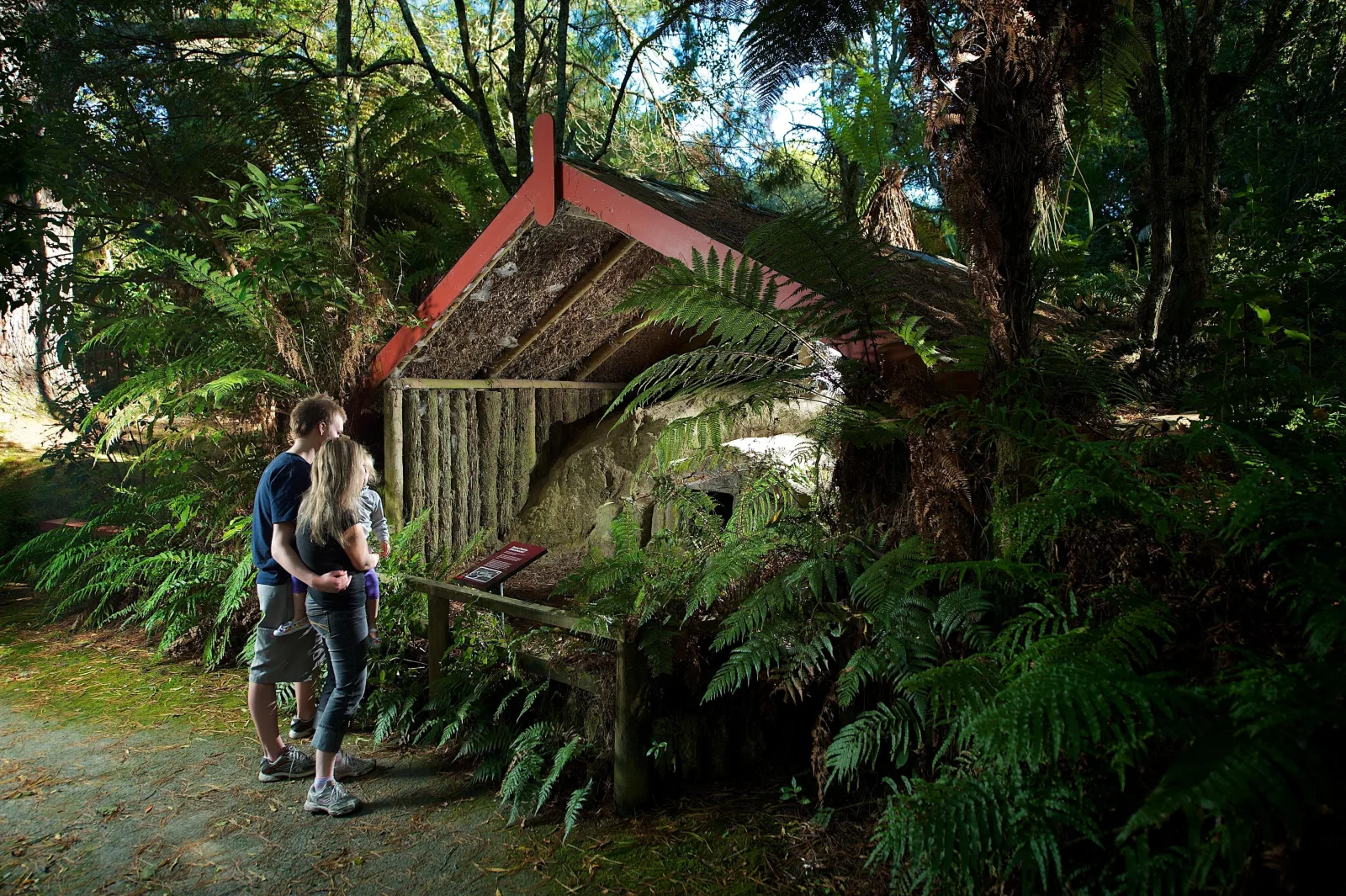
The Buried Village of Te Wairoa: Museum & Excavated Village Trail
 PERFORMANCE ONLY
Whakarewarewa: Māori Cultural Performance with Dancing
 GEYSER BY DAY
Te Puia Te Rā: Guided Day Tour of the Geothermal Valley
 DAY TOUR + HAKA
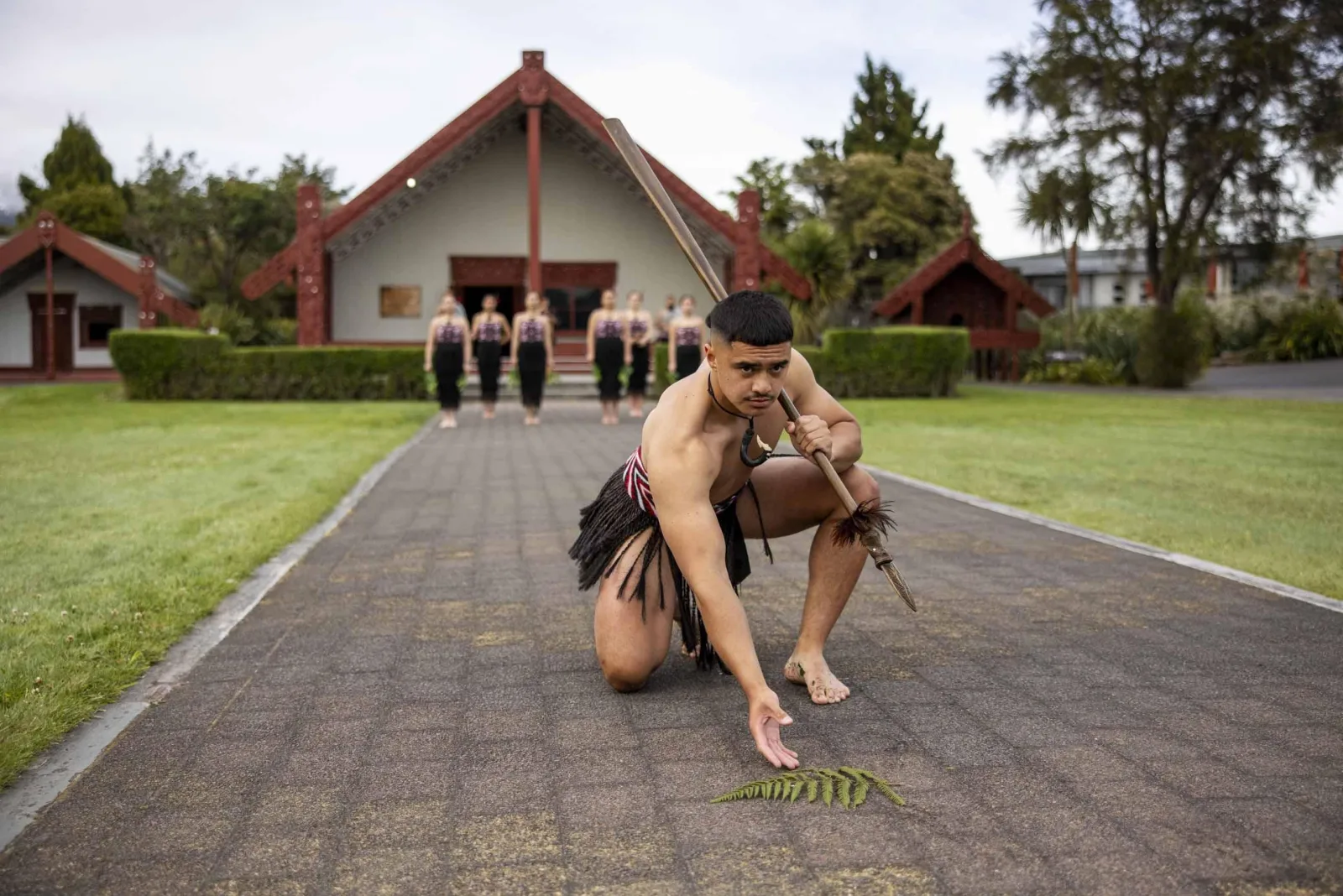
Te Puia Te Rā: Guided Day Tour with Haka Cultural Performance
 MOST REVIEWED
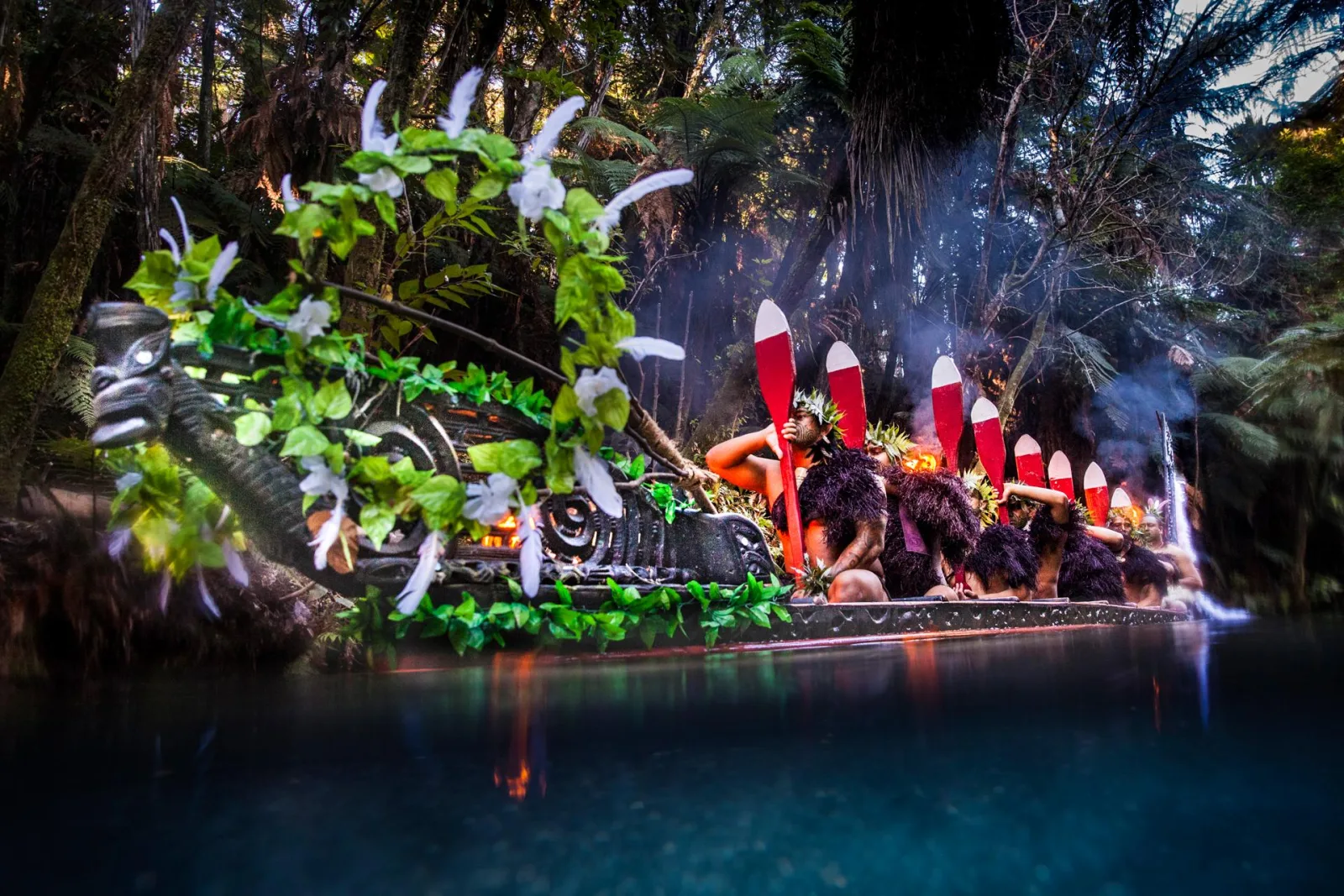
Mitai Māori Village: Cultural Experience & Hāngī Dinner Buffet
 HIGHEST RATED
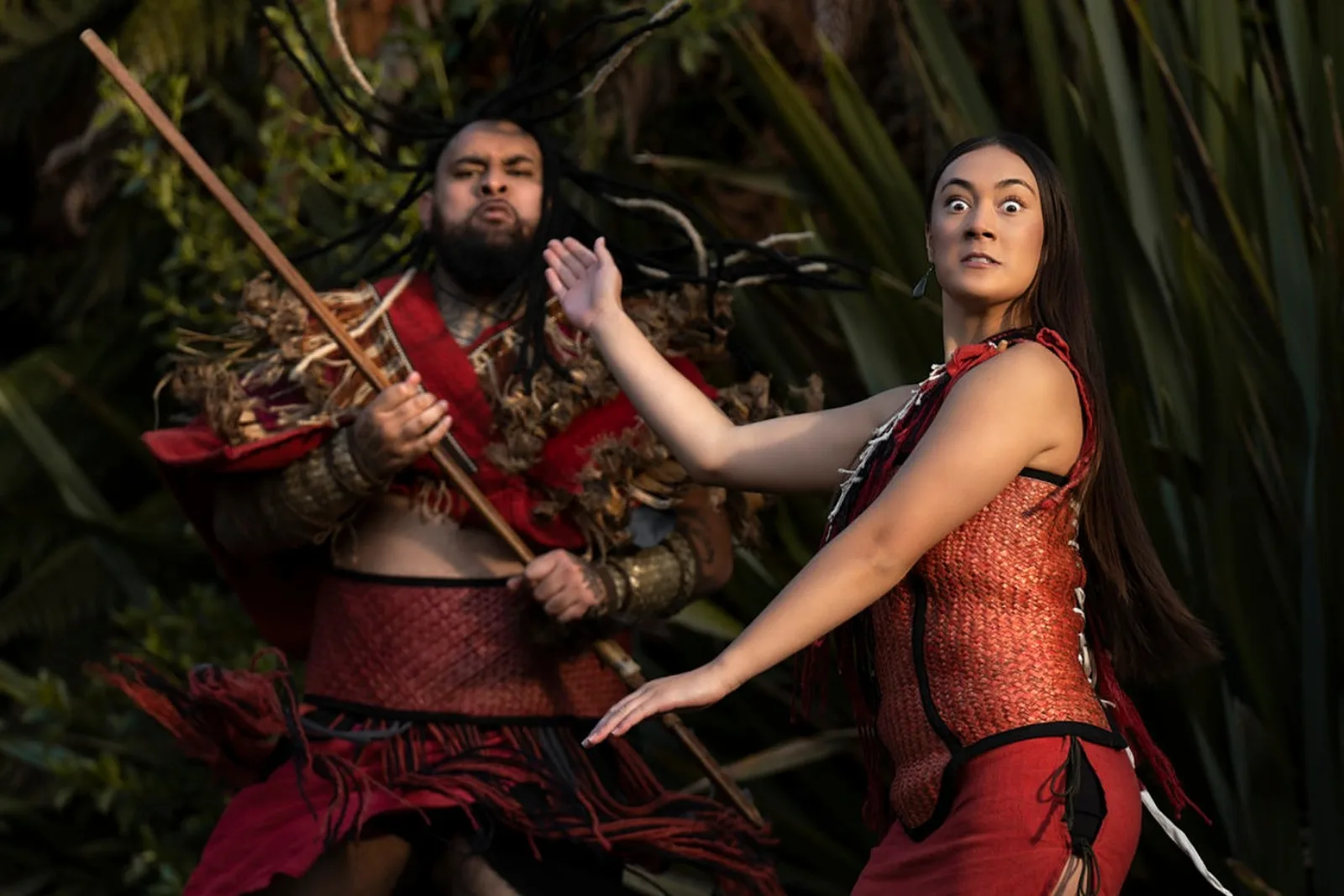
Te Pā Tū: Māori Cultural Experience with Four-Course Dinner
Four places around Rotorua are marketed as a Māori village, and they are not four versions of the same thing. One is a settlement where people live. One is the national carving school, built on a geyser flat. Two are venues designed for an evening of performance and a meal. All four are worth visiting and none of their booking pages tells you which kind you are buying, which is why visitors regularly book a “village” expecting to meet residents and instead find themselves seated for a show — or book a show and wonder why it did not feel like a village.
This page compares every bookable option across all four, with the prices, ratings and review counts pulled live from GetYourGuide. The distinction below is the one worth getting right before you spend anything.
The only one where people actually live
Whakarewarewa — The Living Māori Village is a residential settlement on a geothermal plateau at the southern edge of Rotorua. The village puts the current figure at twenty-one families. The ground steams between the houses; cooking is done by lowering food in flax baskets into boiling pools and steam vents, bathing happens in the thermal pools, and the heating comes up through the floor. The hour-long guided walk goes through the streets while that is going on around you — an active marae, two historic churches, the WWII memorial archway, tapu burial ground, and lookouts across to Pōhutu, the largest active geyser in the southern hemisphere, which erupts up to twenty times a day, to as much as thirty metres, from the Te Puia side of the fence.
The guides are not seasonal hires. They descend from the guiding families of Tūhourangi Ngāti Wāhiao who effectively invented New Zealand tourism on this ground, and the work has passed down within those whānau — formalised in 1910, when the Department of Tourist and Health Resorts began licensing Māori guides here. At $29 it is also among the cheapest tickets in the comparison. For the official 2026–27 prices, the performance times and what you can and can’t see of Pōhutu from the village, read our complete Whakarewarewa visitor guide. Read our breakdown of the village tour →
Why the living village exists at all
The reason there is a village to walk through is the reason there is a buried one forty minutes up Tarawera Road.
Before 10 June 1886, Te Wairoa was a thriving settlement of Tūhourangi and Ngāti Rangitihi, and the departure point for tourists heading to the Pink and White Terraces — then the most famous natural attraction in the country. That night Mount Tarawera erupted, destroyed the Terraces, and buried all six villages of the valley. Tūhourangi were displaced, and were invited to settle at Whakarewarewa by Ngāti Wāhiao. The Crown acquired the devastated land soon afterwards, so when the Tarawera district recovered in the early 1900s they could not go back.
Guide Sophia — Te Paea Hinerangi — had guided the Terraces from Te Wairoa and survived the eruption there. In 1896 she was appointed caretaker of the Whakarewarewa reserve, and she lived there until her death in 1911. The two villages at either end of this site’s price list, the Buried Village of Te Wairoa at $15 and Whakarewarewa at $29, are the same story a hundred and forty years apart. Visiting both in a day is the single best-value thing you can do with this subject, and almost nobody suggests it. See what the Buried Village includes →
Te Puia is an institute, not a village
Te Puia sits on the opposite side of the same geothermal valley, with its own entrance on Hemo Road, and it is the source of most of the confusion on this subject: people book Te Puia expecting the living village, or the living village expecting Pōhutu at their feet. Te Puia is the home of the New Zealand Māori Arts and Crafts Institute — a working wānanga where students learn whakairo (carving), raranga (weaving), and bone and stone work — plus the geyser flat itself and a nocturnal kiwi house (our guide to where to see kiwi in Rotorua compares it with the National Kiwi Hatchery at the Agrodome).
It sells in two halves. Te Rā is the daytime 90-minute guided walk at $56; Te Rā with the cultural performance adds the pōhiri and haka in the carved meeting house for $85. Te Pō is the evening at $121 — performance, then a walk down to the geyser terrace with a hot chocolate to watch Pōhutu go up in the dark, then a hāngī buffet over the thermal field. The combo at $173 runs both, four hours end to end. Te Puia is also the most accommodating of the lot on dietary requirements and wheelchair access, which is not a small consideration here.
The two evening venues
Mitai Māori Village and Te Pā Tū — the operation that was previously Tamaki Māori Village — are purpose-built settings rather than places of residence, and both are excellent at what they do. Mitai is the most-reviewed Māori experience in Rotorua by a wide margin, and it is the one built around the hāngī: the earth oven is lifted in front of guests before dinner, warriors come down the Wai-o-whiro stream in a carved waka, and the night ends on a bush walk to a sacred spring and wild glow worms. Te Pā Tū is the higher-priced, more produced evening, staged in a forest pā of tawa trees and bonfires, with a four-course seasonal menu by Māori chefs that shifts through the year with the maramataka, the Māori lunar calendar, and hotel transfers included.
The practical difference worth knowing: Te Pā Tū’s dinner is a plated fusion menu, not a hāngī buffet lifted from the ground. If watching the pit open is the thing you came for, that is Mitai’s evening, not this one. Our comparison of the best Māori cultural experiences in Rotorua sets the three evenings side by side on food, transfers and price.
Choosing between them
If you only do one and you want to understand how people actually live on a geothermal field, take the Whakarewarewa village tour. If you want the geyser, the carving school and a kiwi, that is Te Puia. If you want a full evening with a meal and a performance, it comes down to whether you want the earth oven lifted in front of you (Mitai) or the best food (Te Pā Tū). If money is tight, the Whakarewarewa cultural performance alone is $21 and is performed by the village community, and the Buried Village is $15. We have set all nine side by side, with what each ticket actually includes and who each one is wrong for, in the guide to which Rotorua Māori village is right for you.
If it is the steam that draws you, our guide to Rotorua’s geothermal parks compares Wai-O-Tapu, Waimangu, Hell’s Gate and the free walks, and the Rotorua hot pools guide covers where to soak afterwards, from Polynesian Spa to the free foot baths at Kuirau Park. For the Redwoods, the luge, rafting and day trips, see our guide to more things to do in Rotorua.
One last thing, since it comes up in the reviews more than anything else: Whakarewarewa is somebody’s street. Stay on the marked paths, keep clear of the fenced ground — some of it is tapu and some of it is simply unstable — and ask before you photograph a person or a house. The tour exists because the community chose to run it.
Guest Reviews
What Visitors Say
4.7/5
from 394 verified GetYourGuide guests
Ratings and review counts are the tour operators' live figures on GetYourGuide and may shift slightly day to day.
"Very interesting sightseeing tour. The village is very pretty. They show you how people live in the Maori village, how they cook, and how everything is organized. It's authentic, not a set. Highly recommended."
"Amazing guide great tour enjoyed the sweetcorn. Great to learn on culture."
"We found this tour really interesting and insightful, giving us a little window onto Māori culture. We originally had a tour booked at 2pm but we were accommodated for a morning tour. Both tour guides were engaging, knowledgeable and fun and we would highly recommend."
"Philip was an excellent guide, very knowledgeable and comical, made the tour a fun experience. Would definitely recommend a visitor to experience Whakarewarewa Village."
"Great tour of a Maori village led by a resident, who clearly explained to us the geothermal conditions and how they are used. It’s really wonderful to see how proudly people present their culture."
"We had a great guide in Frazer who shared his knowledge and personal stories from his childhood. Great guide."
"Great way to learn about the culture and see a real living village. Daniel (the guide) was awesome."
Read all 394 verified reviews
See All ReviewsSee the Village That People Still Live In
Whakarewarewa's guided tour is led by descendants of the families who have guided visitors here for six generations — through streets where the cooking is still done in the ground. Free cancellation up to 24 hours before. Starting from $29 per person.
Check Dates & PricesRotorua Māori Village — Frequently Asked Questions
What visitors ask most before booking, answered with the operators' live figures.
Only Whakarewarewa. Twenty-one families live inside it, on a geothermal plateau where the cooking, bathing and heating still run off the thermal field. Te Puia is the New Zealand Māori Arts and Crafts Institute on the other side of the same valley; Mitai and Te Pā Tū are purpose-built settings for an evening of performance and a meal; the Buried Village of Te Wairoa is an excavated archaeological site. See our which-one guide for the full breakdown, and our Whakarewarewa visitor guide for prices, tour times and what to expect inside the village.
From $15 for the Buried Village of Te Wairoa and $21 for the Whakarewarewa cultural performance, up to $173 for Te Puia's full day-and-evening combo. The living village guided tour at Whakarewarewa is $29, Te Puia's day tour with a haka performance is $85, Mitai's evening is $101, and Te Pā Tū's four-course evening is $167. All prices are per person and come live from GetYourGuide.
They are neighbours on the same geothermal valley with separate entrances and separate tickets, and they answer different questions. Whakarewarewa is a residential village, so it shows you geothermal daily life. Te Puia is a cultural institute — the national carving and weaving school — plus the Pōhutu geyser flat and a nocturnal kiwi house (our guide to where to see kiwi in Rotorua compares it with the National Kiwi Hatchery). Many visitors do both in one day. Our full comparison covers which to pick if you only have time for one, and our geothermal parks guide compares both with Wai-O-Tapu, Waimangu and Hell's Gate.
No, and that surprises people. Mitai is a purpose-built village setting in native bush on the Mitai family's own land, run and performed by that whānau, but nobody lives on the site. It is the most-reviewed Māori experience in Rotorua — more than 4,200 reviews at 4.7 out of 5 — and it is excellent at what it does; it is simply an evening venue rather than a settlement. Our comparison of Rotorua's Māori cultural experiences sets it against Te Pā Tū and Te Puia's Te Pō.
At Mitai, where lifting the earth oven is a scheduled part of the evening — you watch the baskets come out of the pit before dinner is served. Te Puia's Te Pō dinner is cooked in the traditional hāngī style but the oven is not opened in front of guests, and Te Pā Tū serves a plated four-course menu rather than a hāngī buffet. At Whakarewarewa you see geothermal cooking in domestic use during the day, but there is no hāngī meal on the tour ticket.
Yes. Tamaki Māori Village was rebuilt and relaunched as Te Pā Tū, and the operator's own site still styles itself “Te Pā Tū (previously Tamaki Māori Village)”. Older reviews, guidebooks and blog posts use the Tamaki name for the same operation on the same site.
The Whakarewarewa cultural performance is 30 minutes and the village guided tour is 1 hour. Te Puia's day tour is 1.5 hours, or 2 hours with the performance added. Mitai runs about 3 hours, Te Puia's Te Pō evening about 2 hours 45 minutes, Te Pā Tū about 3.5 hours including hotel transfers, and Te Puia's day-and-night combo about 4 hours. The Buried Village is a day ticket — allow 1.5 to 2 hours on site.
The Whakarewarewa village tour, at NZ$58 per adult (from about US$29 on GetYourGuide) and one hour, is the highest-value single ticket for understanding what a Māori village on a geothermal field actually is. If you would rather see the geyser, the kiwi and the carving school, Te Puia's Te Rā covers all three in 90 minutes. If you want everything in one go, Te Puia's combo runs day and evening back to back. With the evening free, a soak at Polynesian Spa is a short walk from the city centre; our Rotorua hot pools guide compares it with Wai Ariki and Waikite, and our guide to things to do in Rotorua fills the rest of the day.
Yes — Mitai, Te Pā Tū and Te Puia's Te Pō all run in the evening, and Te Pō is the only one that takes you out to watch Pōhutu Geyser erupt after dark. Whakarewarewa and the Buried Village are daytime-only. See our guide on when to visit for how the seasons change the sittings.
For the daytime village tours you can usually book same-day, though Whakarewarewa's tours run to a fixed schedule and fill up in peak season. The evening experiences at Mitai, Te Pā Tū and Te Puia sell out first — particularly over January and February and around the Christmas–New Year period. All nine experiences here confirm instantly and can be cancelled free up to 24 hours ahead.
Comfortable closed shoes for every one of them — the village paths are uneven and warm underfoot, and Te Puia's valley walk and the Buried Village's waterfall trail are both proper walking. Add a warm layer for the evening experiences, most of which run outdoors. Whakarewarewa runs rain or shine, so bring a rain layer rather than expecting a refund.
All of them are, with caveats. Te Puia's combo is four hours, which is a long stretch for very young children, and unaccompanied minors are not admitted there. Mitai's glow-worm bush walk is unlit, so keep small children close. The Buried Village's scavenger hunt is a hit with families. See our families and accessibility guide.
Te Puia is the strongest here — both Te Rā and Te Pō are wheelchair accessible if you advise the operator when booking. The Buried Village's museum and main grounds are accessible but the waterfall trail is not. Mitai's bush walk exits via stairs. Whakarewarewa's paths are uneven and occasionally steep. Contact the operator before booking if access is essential.
Te Puia is the most flexible — vegetarian and gluten-free options are available at dinner if you flag them when booking. Te Pā Tū can generally handle gluten-free and vegetarian but its kitchen is not coeliac-approved. Mitai specialises in hāngī and states plainly that it cannot provide vegan meals. Advise any dietary requirement at the time of booking, not on the night.
At Whakarewarewa you are on somebody's street: stay on the marked paths, keep clear of fenced ground (some is tapu, some is unstable crust), and ask before photographing people or houses. At the evening venues a pōwhiri is a formal welcome ceremony, not a warm-up act — your group will be asked to choose a chief, and the hosts will explain what happens. Our etiquette guide covers the pōwhiri, the hongi and what not to do with a carving.
It is the cheapest ticket here at $15 and it explains why the living village exists. Te Wairoa was a Tūhourangi and Ngāti Rangitihi settlement buried by the Mount Tarawera eruption on 10 June 1886; Tūhourangi were displaced and were invited to settle at Whakarewarewa by Ngāti Wāhiao. It sits 15 minutes out of town on Tarawera Road, and pairs naturally with the Whakarewarewa tour in a single day.
No. This site compares the options and links through to GetYourGuide, where the operators handle the booking, payment and cancellation. Prices, ratings and availability shown here are the operators' live GetYourGuide figures. We earn a commission when you book through our links, at no extra cost to you.
Still have questions? Email us at info@rotoruamaorivillage.com
Keep Exploring
Explore More
Every Rotorua Māori village experience and planning guide on this site, in one place.
Village Experiences
- Mitai Māori Village, Rotorua — Hāngī, Waka & Haka Evening
- Te Pā Tū Rotorua (ex-Tamaki) — Forest Pā & 4-Course Feast
- Te Puia Te Pō — Night Geyser, Haka & Hāngī, Rotorua
- Te Puia Te Pō Combo — Valley Tour, Hāngī Buffet & Haka
- Te Puia Te Rā + Haka — Geyser, Kiwi & Carving School Tour
- Te Puia Te Rā Guided Day Tour — Pōhutu Geyser & Kiwi House
- The Buried Village of Te Wairoa, Rotorua — Tickets & Guide
- Whakarewarewa Living Māori Village Tour, Rotorua
- Whakarewarewa Māori Cultural Performance — Haka & Poi, Rotorua
Guides
- Things to Do in Rotorua: The Best Attractions (2026 Guide)
- Where to See Kiwi Birds in Rotorua (2026 Guide)
- Rotorua Geothermal Parks: Which One Should You Visit?
- Rotorua Hot Pools: The Best Thermal Pools to Soak In (2026 Guide)
- The Best Māori Cultural Experiences in Rotorua, Compared
- Whakarewarewa Living Māori Village: The Complete Visitor Guide
- The Best Time to Visit a Māori Village in Rotorua
- Māori Village Etiquette — What to Expect, and What Not to Do
- Visiting a Māori Village in Rotorua: Which One Is Right for You?
- Rotorua Māori Villages With Kids — and With Accessibility Needs
- Whakarewarewa vs Te Puia — Which One Should You Visit?